How to Prevent Water Damage
Year-round checklists for Florida homes.
Read guideEvery November, thousands of households return to Florida homes that sat closed through the summer. The blinds stayed down, the mail stopped, and the house baked quietly in heat and humidity for months. A closed home in Florida does not stay in the condition you left it. Humidity feeds mold, tiny leaks drip for weeks unseen, and appliances age in the dark. Before you unpack a single bag, give the house the reopening inspection it needs. It takes about an hour, and it can save you from discovering the damage in January.
Every November, thousands of households return to Florida homes that sat closed through the summer. The blinds stayed down, the mail stopped, and the house baked quietly in heat and humidity for months. A closed home in Florida does not stay in the condition you left it. Humidity feeds mold, tiny leaks drip for weeks unseen, and appliances age in the dark. Before you unpack a single bag, give the house the reopening inspection it needs. It takes about an hour, and it can save you from discovering the damage in January.
Start at the front door and walk the whole house slowly before turning everything on. Smell is your most useful tool here. A musty or earthy odor, especially concentrated in closets, bathrooms, or closed rooms, usually means moisture has been feeding mold somewhere nearby.
Look for the visual clues next. Stains on ceilings and walls, paint that is bubbling or peeling, baseboards that have swelled or pulled away from the wall, and flooring that has softened, cupped, or lifted at the edges. Check the walls behind furniture that stood in the same place all summer, and open every closet. Closets run low on airflow, and mold on the back wall or on shoes and stored boxes often announces itself by smell before it shows visibly.
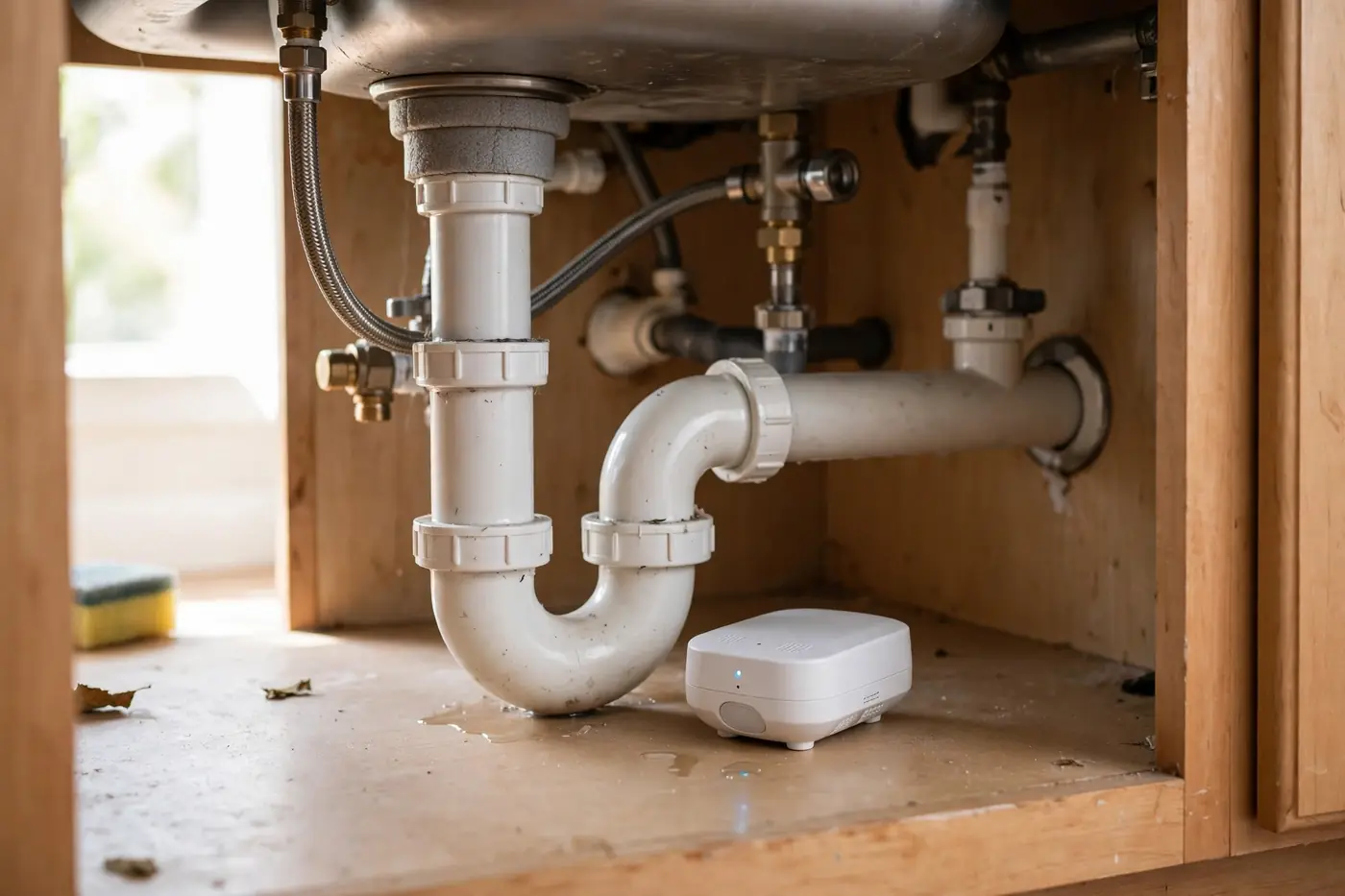
Touch things. Cabinet floors under sinks should be dry, the floor around the water heater should be dry, and walls should feel firm rather than soft. Your hand catches what your eye misses from across the room.
Once the walk-through is done, restart the water gently. Turn the main valve on slowly rather than all at once, then let the system pressurize. Walk the house and listen at walls and ceilings for the sound of running water when no tap is open. That sound means a leak somewhere in the lines, and in a house that sat unused, fittings and connections had months to weaken.
Flush every toilet and run every tap, hot and cold, letting water flow for a minute or two. Stagnant water in unused lines needs to clear. Watch under each sink as the water runs, and check the water heater area closely for drips, rust, or puddles. A water heater that failed over the summer can release a large amount of water, and the damage from a slow summer drip can reach flooring and baseboards well beyond the closet.
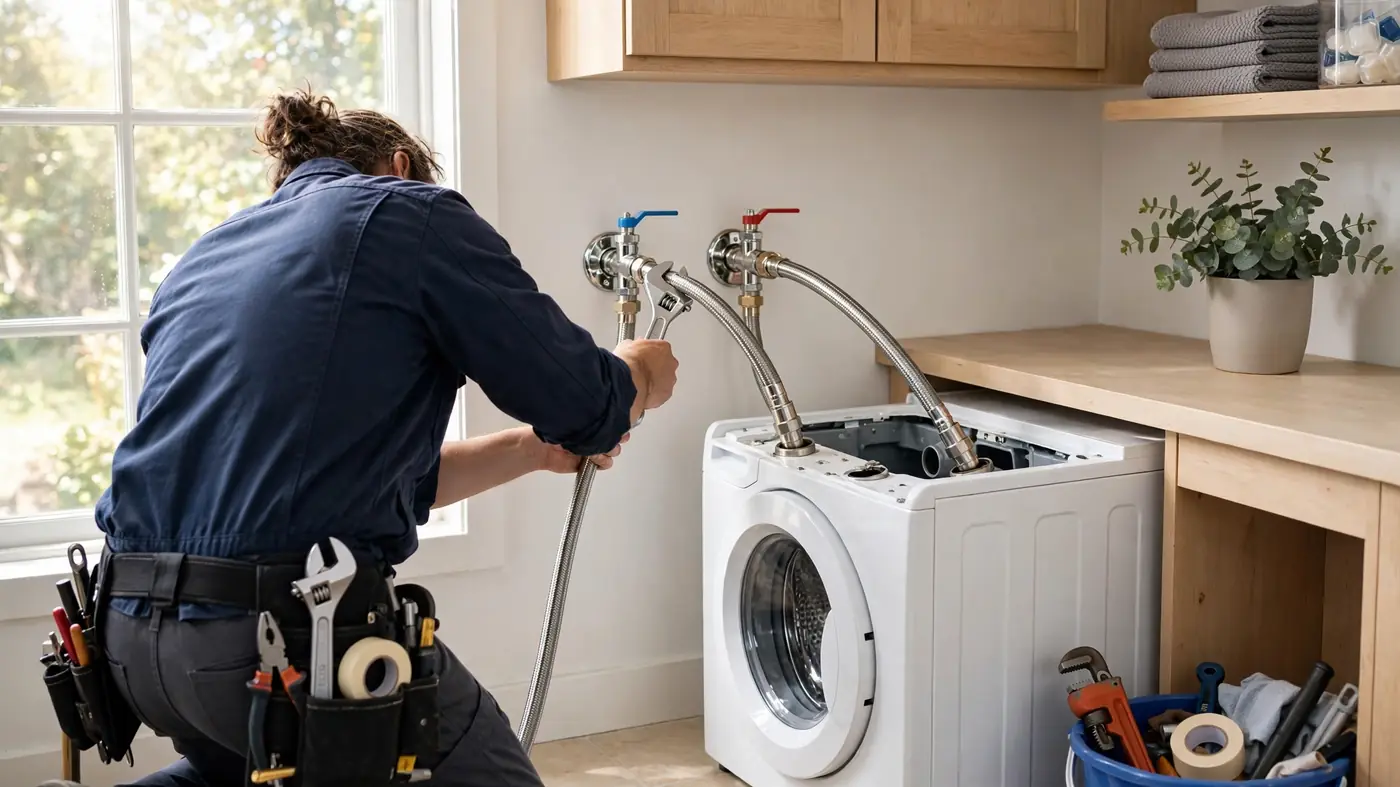
Run the washing machine empty on a quick cycle before you fill it with laundry, so any hose or valve problem shows up while you are watching. Hoses that sat pressurized all summer are among the most common leak sources in reopened homes.
The air conditioning space deserves its own check. In a closed home, the AC closet is often the first place mold appears, because condensation is a normal byproduct there and clogged drain lines turn the closet floor into standing water. Look for damp flooring, staining on the surrounding drywall, and any slime or debris in the drain pan.
Run the system and note whether the musty smell strengthens when it starts. If it does, growth or accumulated moisture in or near the air handler is the likely cause. This is also the right moment to check or replace the filter, and to confirm the drain line is flowing freely. A drain line that has sat still all summer may be blocked, and the first full day of cooling can be the day it overflows.
Minor issues have simple fixes. A stiff shutoff valve that you freed and tested, a filter that needed changing, a drain line that cleared after attention. But treat these signs as reasons for a professional look, not as DIY confidence: soft or discolored drywall, persistent musty odor in one or more rooms, visible mold growth beyond a tiny surface patch, flooring that has swollen or separated, any leak from the water heater, or evidence that water reached walls or insulation while you were gone.
A note about mold work in Florida: mold assessment and mold remediation here are performed by state licensed professionals. Skyfold Restoration coordinates and arranges that licensed work as part of a water damage response, so a returning homeowner has one point of contact for the moisture check, the drying, and any licensed remediation the situation requires.
One more habit worth building this week: document what you find. Photos of stains, damage, and the condition of appliances are useful for insurance if any of the damage traces back to a covered event, and they give any professional you call a head start before arriving.
In order: walk and smell, then look, then touch. Turn the water on slowly and listen. Flush toilets, run taps, check under sinks. Run the washing machine empty. Inspect the water heater area. Check the AC closet and drain line, replace the filter. Photograph anything questionable. Call for a professional moisture check for anything beyond small, clearly minor items. Do this before the boxes come off the shelves and the furniture goes back where it was, because inspection is far easier with the house still empty.
Whether your closed home is in the Tampa Bay area, Sarasota, Fort Myers, Orlando, or Miami Gardens, the summer humidity was the same story. An hour of checking now is the difference between a clean start to the season and a slow discovery of damage through the winter.
Related help: water damage restoration in Brandon, FL, water damage restoration in Miami Gardens, FL, Florida storm-flood guide.
Back in Florida and finding something you do not like? Get a whole-home moisture check before the season settles in. Skyfold Restoration serves the entire state, 24/7. Call (833) 606-6010.
It depends on humidity, ventilation, and whether any moisture was present, but a home closed through a Florida summer with limited airflow can develop visible or smellable mold well within the months it sits empty. That is why the first check on return matters so much.
Run every tap for a minute or two to clear stagnant water from the lines before drinking or cooking with it. This also gives you a chance to spot leaks while you are watching the fixtures.
Small surface patches on hard, non porous materials are manageable, but growth on drywall, in AC spaces, or across a larger area calls for professional attention. In Florida, mold assessment and remediation are done by state licensed professionals, and Skyfold arranges that licensed work within the overall water damage response.
Airflow helps comfort, but it does not dry wet building materials inside walls or under floors, and it does not resolve an active leak. Use the return visit for inspection and correction, not just ventilation.
Year-round checklists for Florida homes.
Read guideA top cause of indoor water damage in Florida.
Read guideTimelines for mold after a leak or flood.
Read guideA whole-home moisture check catches summer damage while it is still small. Call now to schedule one, or find your city.