Slab Leak Water Damage in Florida
A slab leak in Florida is a water leak in the pipes running beneath your home's concrete foundation. Because most Florida homes are built on slabs rather than basements or crawl spaces, these hidden leaks can waste thousands of gallons and damage flooring for months before discovery. This guide explains how slab leaks happen, how to detect them, and what repair involves.
Fast Answer
A slab leak is a leaking water line under your concrete foundation. Warning signs include an unexplained high water bill, the sound of running water with fixtures off, warm spots on floors, damp flooring, and low water pressure. Confirm with a plumber's leak detection test, then discuss repair options: direct access through the slab, rerouting lines overhead, or epoxy lining. Address flooring and moisture damage after the plumbing is fixed.
Why Slab Leaks Happen in Florida Homes
Florida's construction methods and soils make slab leaks a signature local problem.
Most Florida homes sit on a concrete slab foundation with hot and cold water lines embedded in or running beneath the concrete. This construction is practical in a state with a high water table and no frost line, but it means pipe failures happen in the least accessible place possible. The leading cause is pipe corrosion and wear. Copper lines, standard in Florida homes for decades, develop pinhole leaks from water chemistry, and the constant slight movement of pipes against concrete gradually abrades them at contact points.
Florida's soils contribute directly. Much of the state sits on sandy soil that shifts and settles, and in some areas, subtle ground movement stresses rigid pipes until they crack at joints or weak spots. Poor installation is another factor: pipes that were kinked, improperly bedded in abrasive fill, or left in contact with concrete without proper sleeving fail earlier. High water pressure accelerates every form of wear, and the hard water found in parts of Central Florida and Tampa Bay can be aggressive toward copper.
Age is the great multiplier. Florida's huge stock of homes built from the 1960s through the 1990s is now in the prime slab-leak window, with original copper lines reaching the end of their reliable life. A single pinhole leak under a slab can spray pressurized water into the surrounding soil and up through flooring for months, eroding soil, lifting flooring, and feeding mold growth beneath floor coverings. Because the leak is hidden, water bills often reveal the problem before any visible damage does.
Signs of a Slab Leak
Slab leaks hide, but they leave a trail of clues.
- Unexplained high water bill. The number one indicator. A sudden, sustained increase with no change in usage means pressurized water is escaping somewhere, and under the slab is a prime suspect.
- Sound of running water with everything off. Stand quietly near the floor with all fixtures off. Hearing water movement suggests a pressurized leak below.
- Warm or hot spots on the floor. A noticeably warm patch on tile or concrete often marks a leaking hot water line beneath. This is one of the most specific slab leak signs.
- Damp or warped flooring. Moisture wicking up through the slab can dampen carpet, cup wood flooring, or loosen tile. Damage often appears far from the actual leak as water spreads under the slab.
- Low water pressure. A significant leak bleeds off pressure, leaving showers and faucets weaker than usual.
- Cracks in flooring or baseboards. Soil erosion beneath the slab from a long-running leak can cause minor settling, cracking tile or separating baseboards.
- Mildew or excess moisture with no visible source. Persistent dampness or musty smells at floor level, especially after ruling out other leaks, points downward. Review signs of water damage for comparison.
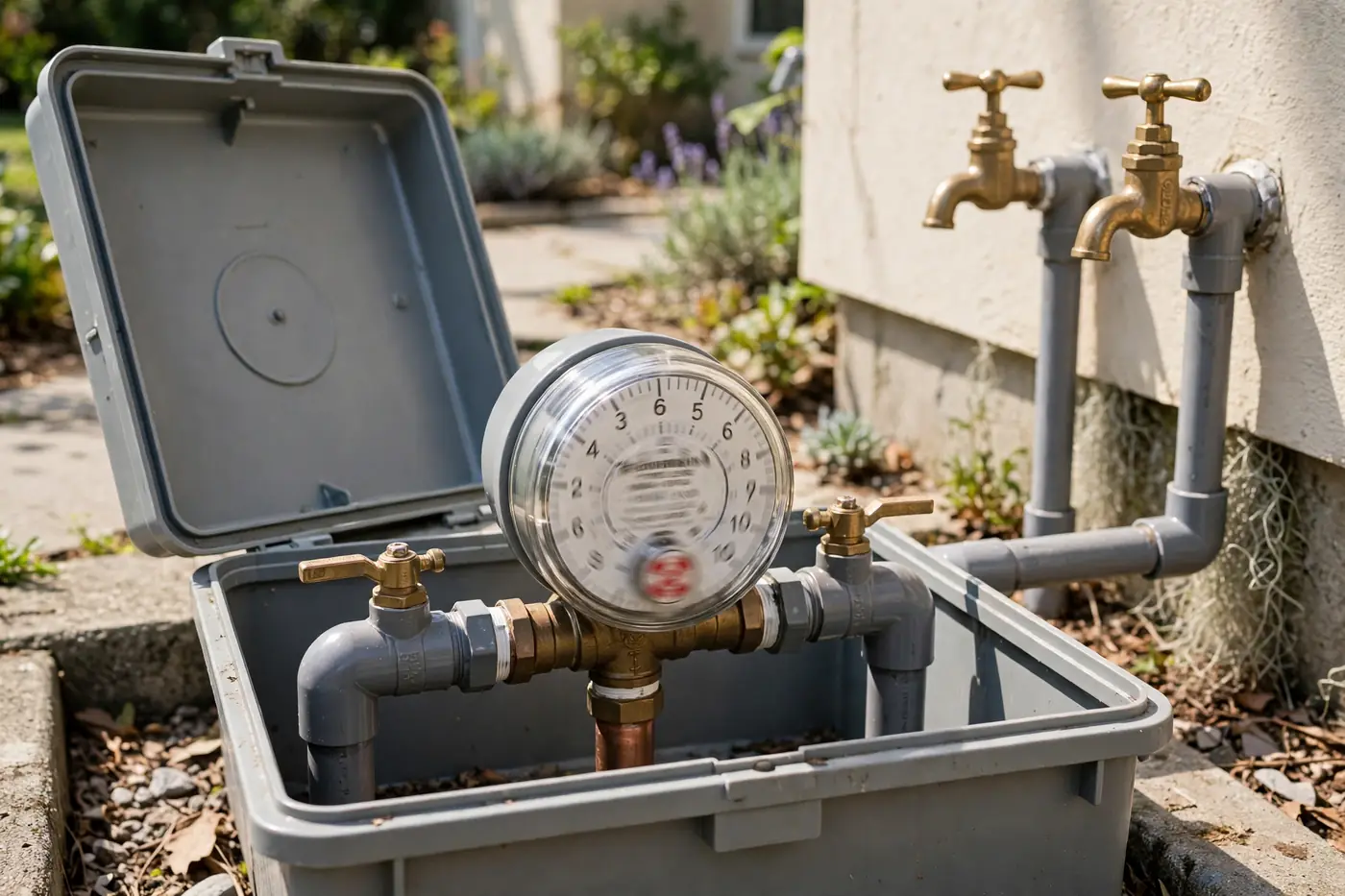
- The water meter test. Turn off all water in the home and watch the meter. If the dial or leak indicator keeps moving, water is escaping somewhere in the system.
How Slab Leaks Are Found and Fixed
Modern detection pinpoints leaks without tearing up the whole floor.
Detection. A plumber specializing in leak detection uses acoustic listening equipment to hear pressurized leaks through the slab, thermal imaging to spot the heat signature of hot-line leaks, and pressure testing to isolate which line is failing. These methods typically locate the leak within a small area, avoiding exploratory demolition. Expect to pay for the detection service itself, which is separate from the repair, but it prevents far costlier guesswork.
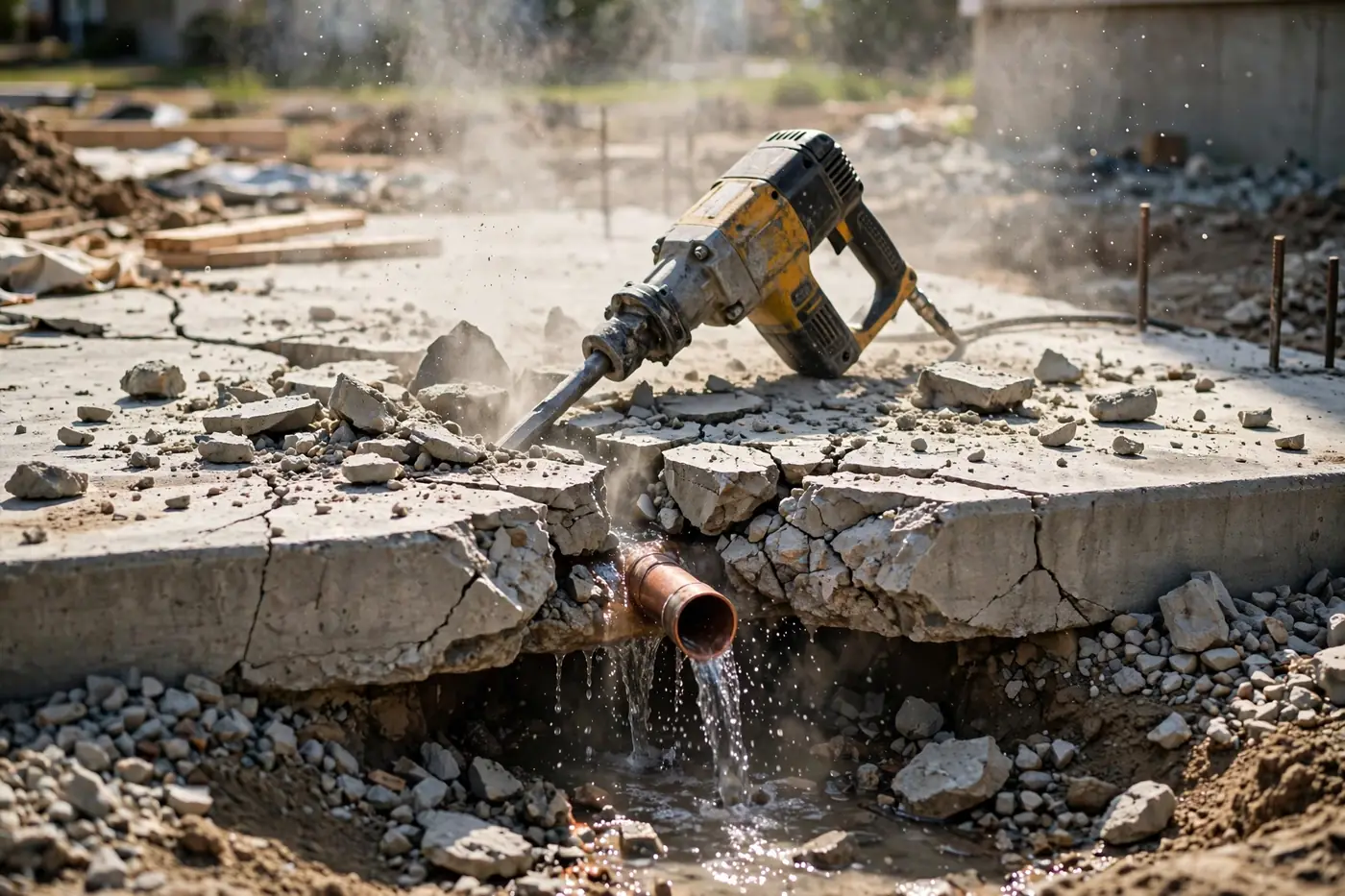
Repair options. Once located, three main approaches exist. Direct access, sometimes called spot repair, involves breaking through the slab at the leak point, repairing the pipe section, and re-pouring concrete. It is the most targeted fix but requires flooring demolition and restoration in that area. Rerouting abandons the under-slab line entirely and runs a new PEX or copper line through walls or the attic to the fixture. This avoids slab demolition and is often preferred when pipes are aging system-wide, since it sidesteps future under-slab failures. Epoxy pipe lining coats the inside of the existing line, sealing pinholes without excavation, though it suits only certain pipe conditions and leak types.
The right choice depends on the pipe's overall condition, the leak's location, flooring type, and cost. A single pinhole in an otherwise sound system favors spot repair or lining. Recurring leaks or aging pipes throughout the home often make rerouting the smarter long-term investment. Get the options explained by a licensed plumber before deciding.
| Repair method | How it works | Best when |
|---|---|---|
| Spot repair (direct access) | Break slab at leak, fix pipe, re-pour | Single leak, pipes otherwise sound |
| Reroute overhead | Abandon slab line, run new line through walls or attic | Aging system, repeat leaks expected |
| Epoxy lining | Coat pipe interior to seal leaks | Suitable pipe condition, minimal excavation desired |
Dealing With Water Damage From a Slab Leak
Fixing the pipe is step one. The moisture it left behind is step two.
Slab leaks typically damage flooring first: carpet and padding absorb wicked moisture, wood floors cup and warp, and tile can loosen as the thinset degrades. Because the water came from below, the sub-slab area and the bottom of floor coverings stay damp long after the plumbing is fixed. In Florida's humidity, mold growth under flooring is a real risk, often hidden until flooring is pulled up.
After the plumber finishes, have the affected areas checked with moisture meters. Wet carpet padding should be replaced, not just dried. Wood flooring needs professional assessment to determine whether it can be dried in place or must be replaced. Any drywall that wicked moisture from the floor up should be checked and, if damp, cut back to dry material. Professional structural drying ensures the slab and surrounding materials are genuinely dry before new flooring goes down, preventing mold from blooming under a fresh installation. Document all damage and repairs with photos for insurance documentation.
Reducing Slab Leak Risk
You cannot inspect pipes under concrete, but you can reduce the odds.
- Keep water pressure in check. Have pressure tested and install or maintain a regulator if it runs high. Pressure is the force behind every leak.
- Watch the water bill. Review usage monthly. An unexplained increase is the earliest slab leak warning most homeowners get.
- Address hard water. If your area has aggressive water chemistry, a treatment system recommended by a plumber can extend pipe life.
- Know your pipe material and age. Homes with original copper from the 70s through 90s are in the high-risk window. A plumber can advise whether proactive repiping makes sense.
- Fix small signs fast. Warm floor spots, faint water sounds, or slight pressure drops deserve prompt investigation, not a wait-and-see approach.
Common Questions
The classic signs are an unexplained high water bill, the sound of running water with fixtures off, warm spots on the floor, and damp flooring. The water meter test, turning everything off and watching for meter movement, is a simple confirmation. A plumber's acoustic and thermal detection pinpoints the location.
Costs vary widely by method, location, and flooring restoration needs. Detection, repair, and floor restoration are separate cost components. Get detailed quotes for each phase from licensed professionals rather than relying on averages.
Many policies cover the resulting water damage but not the pipe repair itself, and some exclude slab leak scenarios or apply sublimits. Coverage varies significantly, so review your policy and document everything. See our insurance documentation guide.
A long-running leak can erode soil beneath the slab, potentially causing minor settling. Major structural foundation damage from typical slab leaks is uncommon, but soil erosion and the resulting flooring and moisture damage are real concerns worth addressing promptly.
It depends on pipe condition and leak history. A single leak in an otherwise sound system often suits spot repair. Aging pipes with repeat leaks usually make overhead rerouting the better long-term choice. A licensed plumber can recommend based on your system.
Months or even longer, since the leak is hidden under concrete. Many are discovered through water bills long before visible damage appears, which is why monitoring usage is so important for Florida slab homes.
Related Water Damage Help
Slab leaks relate to: burst pipe water damage for sudden pipe failures, mold growth for what follows hidden moisture, and water heater leak for another hidden plumbing source. For recovery, see water damage restoration, structural drying, and what to do when you find water damage.
Need Help With Slab Leak Water Damage?
Call now for moisture assessment, drying, and restoration anywhere in Florida.