Flooded Property in Florida
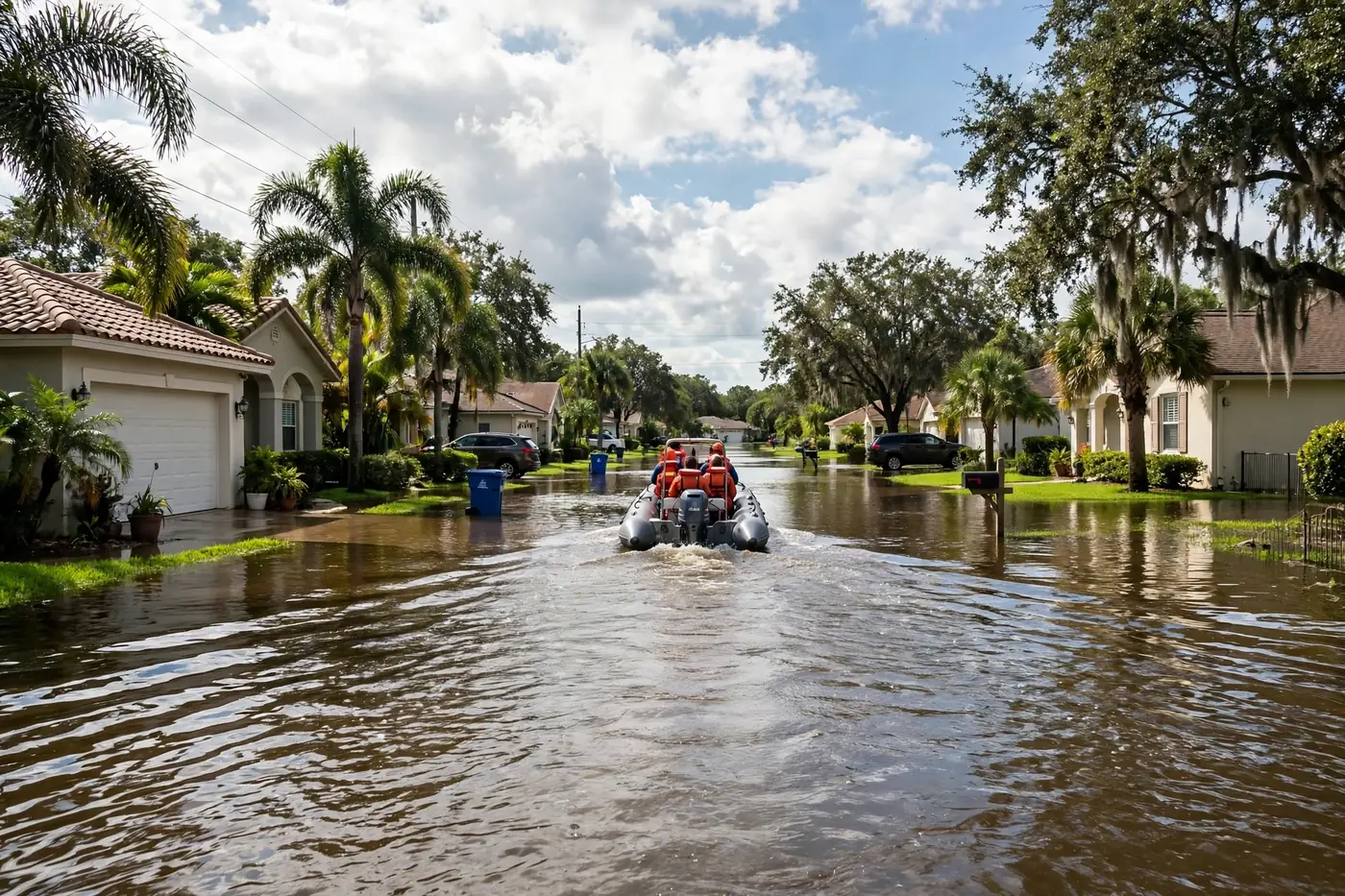
A flooded property in Florida, whether from a storm, overflowing waterway, or major plumbing failure, demands fast and careful action. Floodwater brings contamination, hidden structural moisture, and a short clock before mold takes hold. This guide walks you through the safe, practical steps for responding to flooding in a Florida home or business.
Fast Answer
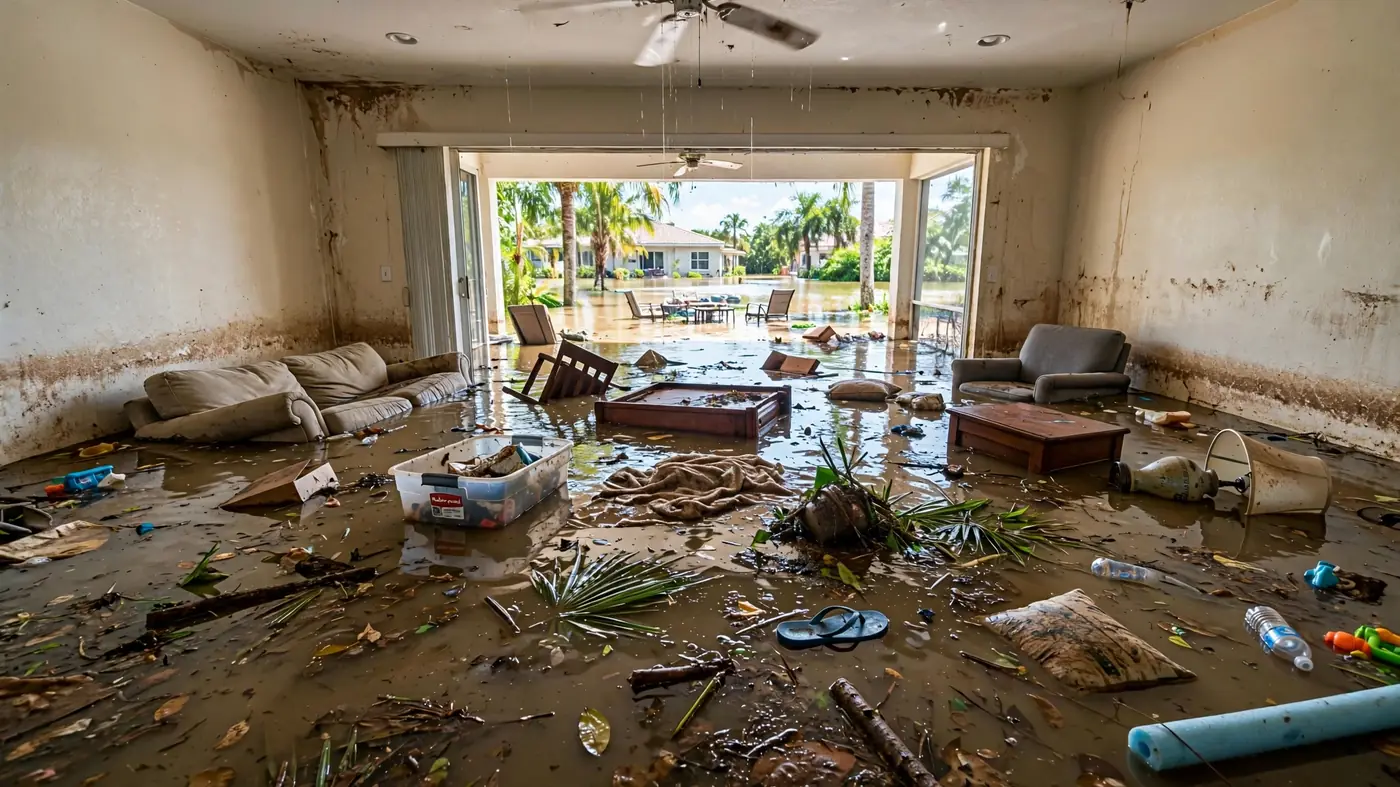
After flooding in Florida, do not enter standing water until electricity is off, and treat floodwater as contaminated. Shut off power and gas if safe, document everything with photos, remove standing water, and begin drying immediately. Wear protective gear. Call professionals for extraction, structural drying, and sanitizing, since floodwater carries sewage, chemicals, and bacteria.
How Properties Flood in Florida
Florida flooding comes from several directions, sometimes all at once.
The most dramatic cause is tropical weather. Hurricanes and tropical storms push storm surge into coastal communities, dump extreme rainfall that overwhelms drainage, and raise rivers and canals. South Florida, Southwest Florida, and Tampa Bay coastal areas face the highest surge risk, while inland areas flood from rainfall and overflowing waterways. Even a slow-moving tropical depression can drop enough rain to flood streets and homes far from the coast.
Non-storm flooding is common too. Florida's intense summer thunderstorms can overwhelm gutters, downspouts, and neighborhood drainage in under an hour, sending water into garages and ground floors. Poor lot grading, where the yard slopes toward the house instead of away, turns every heavy rain into a seepage event. Failed sump pumps, broken water mains, and major plumbing failures like burst pipes flood properties without any weather at all. In low-lying areas, a high water table can push groundwater up through slab cracks and floor drains during the rainy season.
Whatever the source, Florida floodwater is rarely clean. Water that has crossed streets, yards, or overwhelmed municipal systems picks up sewage, fuel, pesticides, and bacteria. Restoration professionals classify this as contaminated water, which changes how cleanup must be handled. For more on contamination levels, see sewage backup and sewage cleanup.
Safety Steps Before You Start Cleanup
Flood cleanup injuries are common and preventable. Do these first.
- Do not enter standing water until power is off. Floodwater can be electrified by submerged outlets, appliances, or damaged wiring. Shut off the main breaker, and if the panel is in a flooded area, call the utility company instead of wading in.
- Assume the water is contaminated. Wear waterproof boots, gloves, and eye protection. Keep cuts and scrapes covered, and wash thoroughly after contact. Keep children and pets away from floodwater.
- Shut off gas if you smell it. Flooding can damage gas lines and appliances. If you smell gas, leave immediately and call the gas company from outside.
- Check structural safety. Look for sagging ceilings, buckled floors, cracked foundations, and shifted walls before spending time inside. If the structure looks compromised, stay out until it is assessed.
- Beware of wildlife. In Florida, floodwater can carry snakes, alligators, and fire ants displaced from their habitats. Be cautious, especially in standing water near vegetation.
For immediate life-threatening danger, call 911 first. For the property response sequence, our emergency response guide covers the full order of operations.
Cleaning Up a Flooded Florida Property
Work in this order: document, remove water, remove ruined materials, clean, dry.
- Document everything before you move anything. Photograph every room, water lines on walls, damaged belongings, and the exterior. Take wide shots and close-ups. This is the foundation of your insurance documentation.
- Remove standing water. Pumps handle deep water, while wet vacuums work for shallow flooding. Professional water extraction is dramatically faster for whole-property flooding and reaches water trapped under flooring.
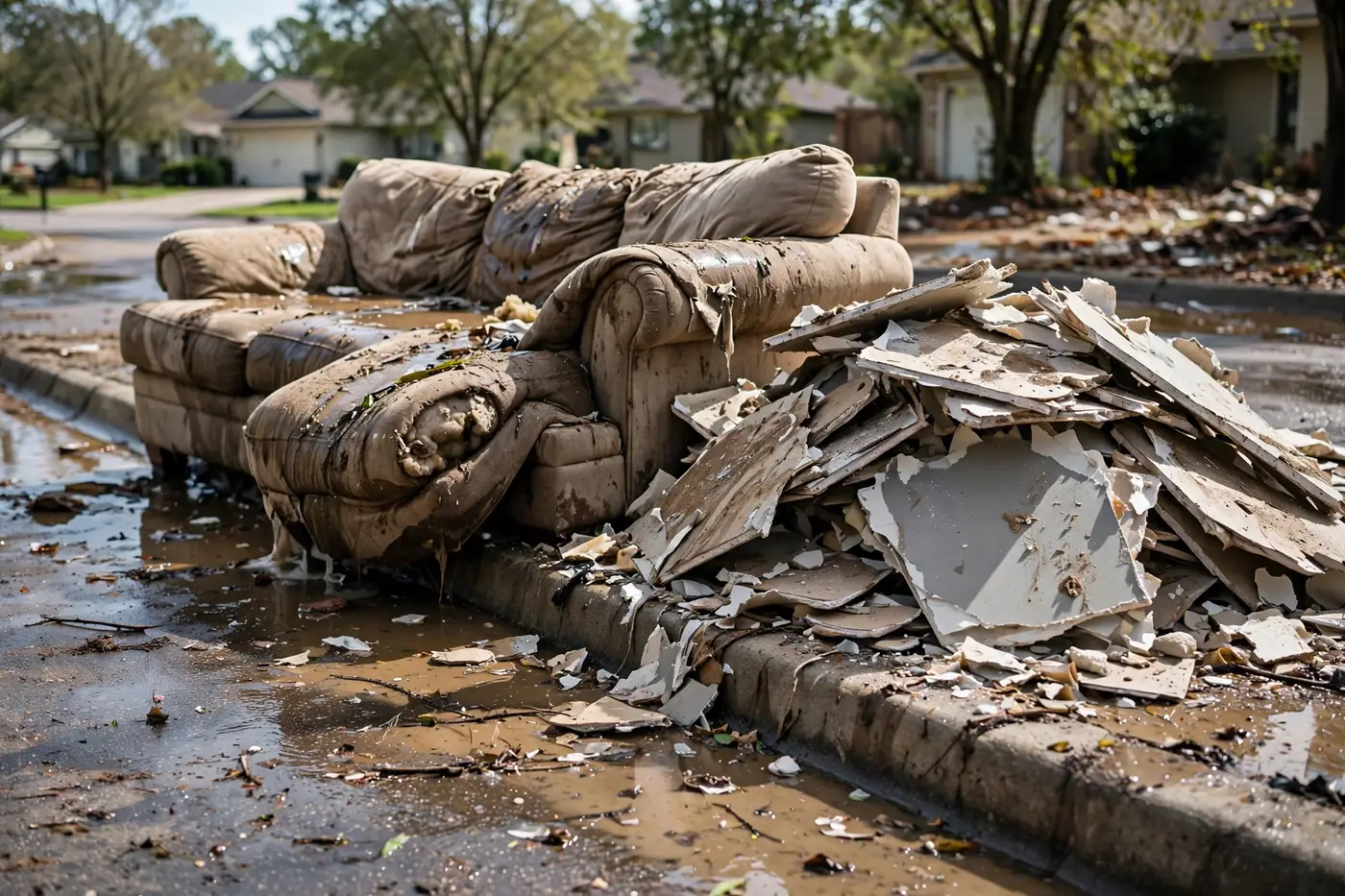
- Remove unsalvageable porous materials. Floodwater-soaked carpet, padding, upholstered furniture, mattresses, and lower sections of drywall generally cannot be safely restored after contaminated flooding. Cut drywall at least a foot above the visible water line, since wicking draws moisture higher.
- Clean and sanitize hard surfaces. Scrub floors, walls, and hard furnishings, then apply an appropriate disinfectant. Contaminated flooding requires more aggressive sanitizing than clean-water leaks.
- Dry thoroughly with professional equipment. Open the structure to airflow: remove baseboards, drill weep holes if advised, and run commercial air movers and dehumidifiers. Structural drying with moisture meters confirms walls, framing, and subfloors are actually dry, not just surface dry. In Florida humidity, this step cannot be skipped or rushed.
- Watch for mold. Even with good drying, monitor for musty odors and discoloration over the following weeks. See mold after water leak if growth appears.
| Material | After clean-water flooding | After contaminated flooding |
|---|---|---|
| Tile, concrete, sealed hard surfaces | Usually salvageable with cleaning and drying | Salvageable with thorough sanitizing |
| Drywall (lower sections) | Often removed if soaked through | Remove at least 12 inches above water line |
| Carpet and padding | Padding usually replaced, carpet sometimes saved | Both typically discarded |
| Insulation (fiberglass, wet) | Loses effectiveness, usually replaced | Always replaced |
| Solid wood furniture | Often salvageable with careful drying | Salvageable if sanitized and dried properly |
| Upholstered furniture, mattresses | Difficult to fully restore | Usually discarded |
What to Do in the Days After Flooding
The emergency ends when the water is gone. The recovery takes longer.
- Contact your insurance company promptly. Standard homeowners policies typically exclude flood damage from rising water, which requires separate flood insurance, often through the NFIP. Know which policy applies before you assume coverage. Document all conversations and keep receipts for every expense, including emergency repairs, temporary housing, and damaged belongings. If an adjuster visits, walk them through every affected area and share your photo documentation.
- Do not rush back into a damp building. Moisture hidden in walls and under floors keeps damaging materials and feeding mold. Verify dryness with moisture readings before rebuilding or moving belongings back. Returning too early can also expose your family to mold and bacteria that professional cleaning would have addressed.
- Understand what professional restoration includes. For significant flooding, a restoration professional does far more than dry surfaces. Expect moisture mapping of all affected areas, removal of unsalvageable materials, antimicrobial treatment where appropriate, and documented drying with daily moisture readings. Ask what equipment will be used, how long drying should take, and how completion will be verified. Clear answers to these questions distinguish thorough work from a quick fan placement.
- Address the source to prevent repeat flooding. Re-grade soil away from the foundation, extend downspouts, clear gutters, consider a sump pump with battery backup, and elevate valuables and utilities in flood-prone areas. For storm-driven intrusion specifically, see storm water intrusion. If your street or neighborhood floods regularly, talk to neighbors and local officials about drainage improvements, since individual fixes have limits against systemic problems.
- Check for mold growth over the following weeks. Musty smells, new discoloration, or allergy-like symptoms after returning can signal hidden mold in wall cavities or under flooring. Early detection keeps remediation small.
- Keep records of all restoration work. Invoices, moisture logs, and photos protect you if problems surface later and support any supplemental insurance claims. Store digital copies somewhere safe, since paper records in a flooded home may not survive.
Common Questions
Yes. Floodwater that has crossed streets or yards typically carries sewage, chemicals, fuel, and bacteria. Wear waterproof boots, gloves, and eye protection, keep cuts covered, and wash up thoroughly after any contact. Keep children and pets away.
Minor clean-water flooding in one room is often manageable DIY. Whole-property flooding, contaminated water, or water that sat for more than a day or two generally needs professional extraction, sanitizing, and structural drying to prevent mold and hidden damage.
In Florida's climate, mold can start within 24 to 48 hours on wet drywall, wood, and fabrics. Fast water removal and aggressive drying are the best prevention. If drying was delayed, assume mold is possible and inspect accordingly.
Standard homeowners policies usually cover sudden plumbing failures but exclude flooding from rising exterior water, which needs separate flood insurance. Review both policies carefully and document everything regardless of which applies.
After contaminated flooding, discard soaked carpet, padding, mattresses, upholstered furniture, and lower drywall sections. Hard surfaces, solid wood, and tile can usually be cleaned and dried. When in doubt about an item, prioritize health over salvage.
Grade soil away from the foundation, extend downspouts at least several feet from the house, keep gutters clear, consider a sump pump with battery backup, and elevate utilities and valuables in flood-prone areas. For storm-specific measures, see storm water intrusion.
Related Water Damage Help
Flooding overlaps with several other problems: storm water intrusion for wind-driven rain entry, sewage backup for contaminated water issues, and burst pipe water damage for interior flooding sources. For the restoration process, see flood damage restoration, water removal, and the restoration process explained step by step.
Need Help With a Flooded Property?
Call now for water extraction, sanitizing, and structural drying anywhere in Florida.