Serving All of Florida – 24/7 Emergency Line[email protected](833) 606-6010
Skyfold Restoration FL
Water damage guide

How to Prevent Water Damage in a Florida Home

Preventing water damage in a Florida home means staying ahead of the state's big four threats: plumbing failures, roof leaks, AC drain overflows, and storm water. Most prevention costs little or nothing, just attention at the right intervals. This guide gives you room-by-room checks and a seasonal calendar built for Florida's climate.

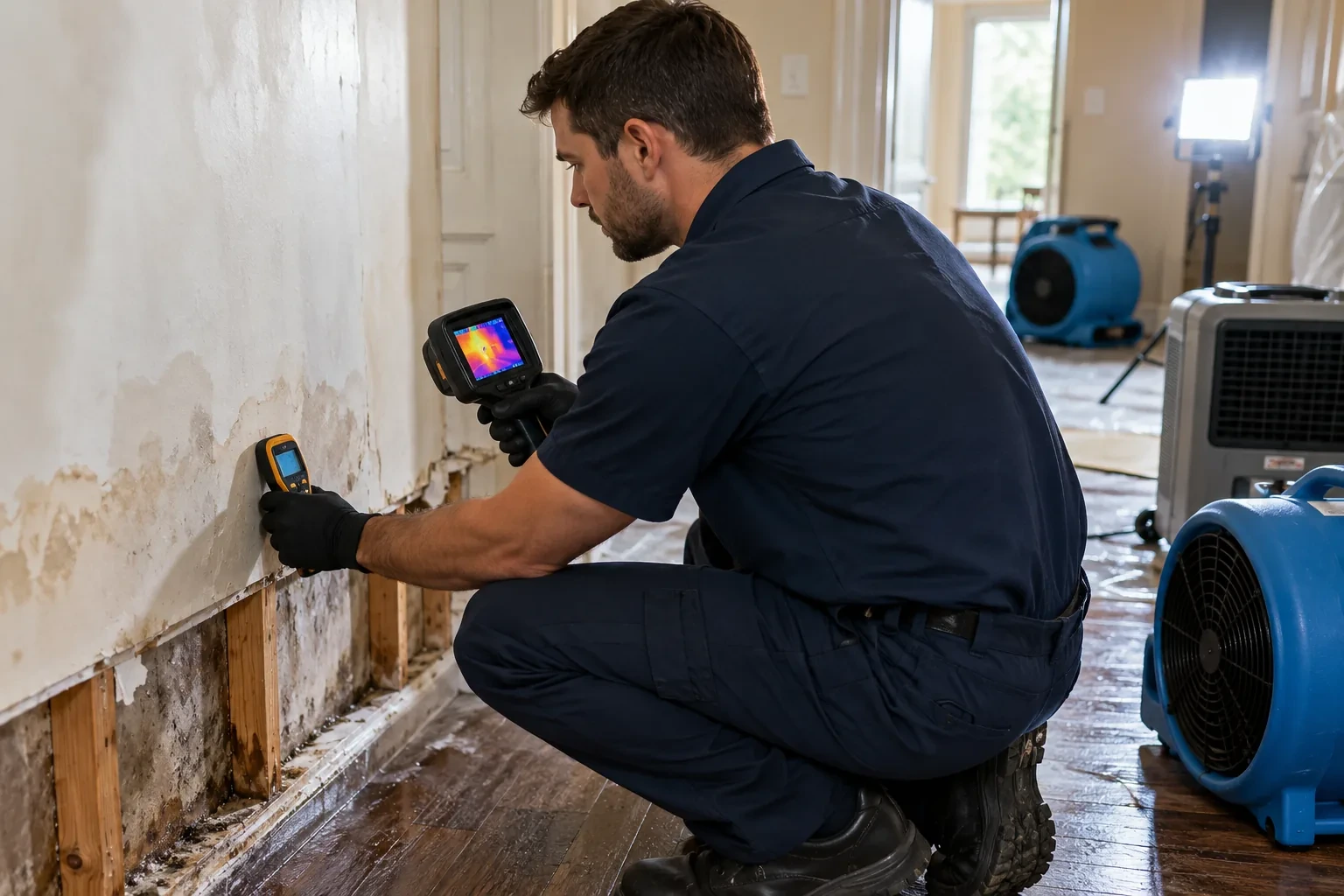
Home inspection to prevent water damage in Florida

Fast Answer

The highest-impact prevention steps for Florida homes: replace washing machine hoses with braided steel lines, flush your AC condensate drain every few months, know where your main water shutoff is and test it yearly, keep gutters and grading moving water away from the slab, and inspect the roof before each hurricane season. Do these five and you eliminate the large majority of preventable water losses.

Plumbing

Plumbing: The Number One Indoor Source

Most indoor water damage starts at a handful of failure points you can check in an afternoon.

  • Washing machine hoses: Replace rubber hoses with braided stainless steel lines, and replace them every 5 years regardless of appearance. A burst washer hose can release hundreds of gallons while you are at work.
  • Water heater: Florida's hard water shortens tank life. Check the pan and drain line yearly, look for rust at the base, and consider replacement around year 10 to 12. Tankless units remove the rupture risk entirely. See our water heater leak guide for warning signs.
  • Toilet and sink supply lines: Flex lines corrode. If yours are more than 7 to 10 years old, or show green corrosion, replace them. It is a 15-minute job per fixture.
  • Main shutoff valve: Find it today, make sure every adult in the home knows where it is, and turn it twice a year so it does not seize. Label it with a tag.
  • Under-sink checks: Twice a year, open every sink cabinet and look for dampness, warped wood, or musty smell. Slow drips do the most hidden damage.

If a line does fail, fast water extraction limits the damage dramatically. Our emergency response page explains what happens when you call.

HVAC

AC Drains: Florida's Signature Leak

In Florida's long cooling season, air conditioners pull gallons of water from the air daily. All of it must drain somewhere.

  • Flush the condensate line every 2 to 3 months during cooling season with a cup of white vinegar or a wet-vac on the outside drain end. Algae is the usual clog culprit.
  • Check the drain pan under air handlers, especially units in closets or attics. A rusted or overflowing pan means the primary drain is already failing.
  • Install a float switch if your unit lacks one. This $30 part shuts the AC off when the pan fills, turning a ceiling collapse into a service call.
  • Keep the air filter clean. A starved evaporator coil ices up, then melts all at once and overwhelms the drain.

Our full AC drain line clog guide walks through diagnosis and prevention step by step.

Roof and exterior

Roof, Gutters, and Grading

Water wants in from above and from the sides. Give it no path.

1

Roof Inspections

Inspect before each hurricane season and after every major storm. Look for lifted shingles, cracked flashing around vents, and debris in valleys. In Florida, tile roofs hide slipped tiles and shingle roofs lose granules to UV; both let wind-driven rain underneath.

2

Gutters and Downspouts

Clean gutters at least twice a year, more if you have oaks or pines nearby. Extend downspouts at least 4 feet from the foundation so roof water does not pool at the slab edge, where it finds its way inside.

3

Grading and Drainage

Soil should slope away from the foundation in every direction. Florida's flat lots and sandy soil make ponding common; regrade low spots and consider French drains where water stands after rain. Water against the slab is the top cause of seepage claims.

Storm season brings its own checklist. See our hurricane preparation guide for the full pre-season routine.

Calendar

Your Florida Prevention Calendar

WhenDo this
Monthly (summer)Flush AC condensate line; check drain pan
QuarterlyRun all faucets and flush rarely used toilets; check under sinks
Spring (pre-hurricane season)Roof inspection; clean gutters; test sump pump if you have one; photograph the home's condition
FallWater heater check; inspect washing machine hoses; regrade any new low spots
YearlyExercise the main water shutoff; inspect supply lines; review insurance coverage and flood zone
Before any tripTurn off the main water supply if leaving for more than a few days

The vacation tip alone prevents some of the worst losses we see: a leak that runs for a week while a family is away. A smart water shutoff valve that detects flow anomalies is worth considering if you travel often. These devices learn your household's normal usage and close the main valve automatically when they detect continuous flow that looks like a leak, and many insurers offer a small discount for having one installed.

Appliances

Do Not Forget These Appliances

Beyond the washing machine, several water-connected appliances fail quietly.

  • Dishwasher: Supply and drain connections loosen with vibration. Pull the kick plate yearly and look for dampness or warped flooring underneath.
  • Refrigerator ice maker: The thin plastic supply line behind the fridge is a classic slow leaker. Replace plastic lines with braided steel and check the connection when you clean coils.
  • Water softeners and filters: Whole-house units have bypass valves and drain lines that can stick open. Inspect during filter changes.
  • Second-floor laundry: Increasingly common in Florida homes and far riskier, since a leak affects the ceiling below. A drain pan with a dedicated drain line is strongly recommended, and some insurers ask about it.
FAQs

Prevention Questions

What is the most common cause of water damage in Florida homes?

Plumbing failures lead the list: supply lines, water heaters, and washing machine hoses. Close behind are AC condensate drain overflows, which are unusually common in Florida because air conditioners run most of the year, and roof leaks during storm season.

Are water leak detectors worth it?

Yes, especially the inexpensive puck-style sensors placed under water heaters, washing machines, and sinks. Smart versions alert your phone, which matters most when you are away. They cost far less than a single deductible.

How often should a Florida roof be inspected?

At least once a year, ideally each spring before hurricane season, plus after any storm with high winds or hail. Many Florida insurers now ask about roof age and condition at renewal, so inspections protect both the home and the policy.

Does landscaping affect water damage risk?

Directly. Mulch piled against siding holds moisture against the wall, and sprinklers aimed at the house soak the slab edge daily. Keep mulch below the slab line and aim irrigation away from the structure.

Should I turn off water when on vacation?

If you will be gone more than a couple of days, yes. Shutting the main valve converts a potential week-long flood into a minor puddle. Leave the water heater on pilot or vacation mode per the manufacturer's instructions.

What maintenance helps with insurance claims?

Keep receipts and photos of all preventive work: hose replacements, roof inspections, AC service. If a sudden failure still happens, this paper trail defeats the insurer's favorite denial reason, deferred maintenance. Our insurance coverage guide explains how claims are decided.

Related guides

Keep Reading

AC Drain Line Clogs and Water Damage

Florida's most preventable leak, explained and solved.

Read guide

Water Heater Leak: Signs and Response

Catch a failing tank before it floods the utility room.

Read guide

Hurricane Season Preparation

The full pre-season checklist for Florida homeowners.

Read guide

Already Have Water Where It Should Not Be?

Prevention is ideal, but fast response is the next best thing. Call now for water damage restoration anywhere in Florida, or find your city.

Call (833) 606-6010