
1
Heavy Rain Overload
Florida downpours overwhelm combined or aging sewer systems, pushing wastewater backward through the lowest drains in the home. This is the most common Florida cause.
A sewage backup is the most dangerous kind of water damage a Florida home can suffer. Black water carries bacteria, viruses, and parasites that make DIY cleanup a genuine health risk, and Florida's high water tables and heavy rains make backups more common here than many homeowners expect. This guide covers the risks, the immediate response, and why professional cleanup is the only safe option.
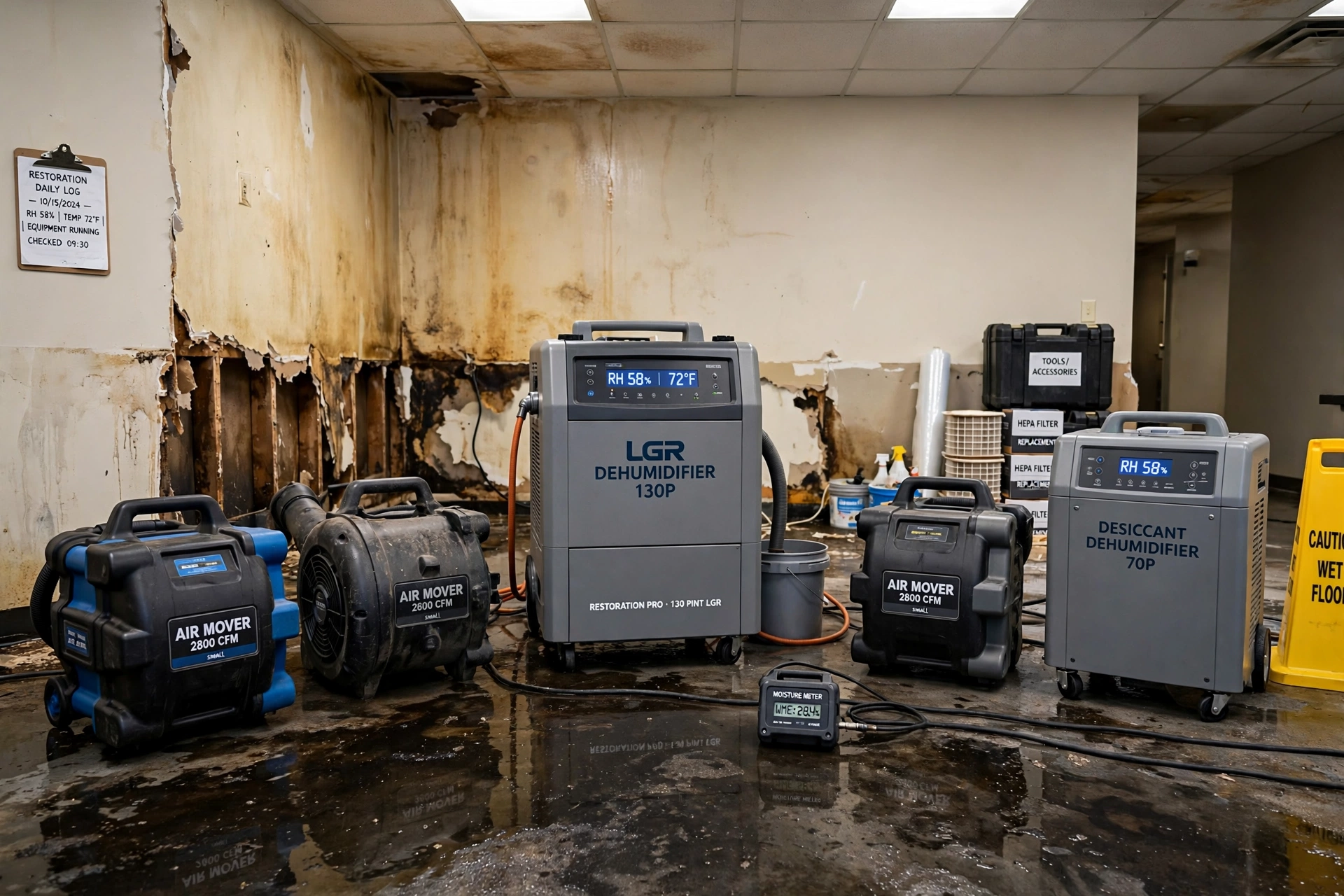
A sewage backup is Category 3 (black water) contamination: it carries pathogens that cause serious illness. Keep people and pets away, do not use plumbing fixtures that drain into the affected line, shut off HVAC if the area connects to ductwork, and call professionals immediately. Do not attempt DIY cleanup beyond basic containment. Florida homeowners should also check whether their policy includes sewer backup endorsement coverage, since standard policies often exclude it.
This is not just dirty water. Here is what it carries and why it matters.
We are not medical professionals. Anyone with symptoms after exposure should see a doctor and mention the sewage contact. Children, elderly residents, pregnant people, and anyone immunocompromised face higher risk and should stay completely clear of the area. Even after professional cleanup, keep the area off-limits until the crew confirms it is clear; the verification step exists to protect you, not to slow the job down.
Florida downpours overwhelm combined or aging sewer systems, pushing wastewater backward through the lowest drains in the home. This is the most common Florida cause.
Roots seek the moisture in sewer laterals and crack or block the pipe. Older clay or cast-iron lines are most vulnerable.
Cooking grease poured down drains solidifies and narrows pipes. Combined with wipes and hygiene products, it creates blockages that back up the whole line.
In low-lying Florida areas, groundwater infiltrates aging pipes through cracks, reducing capacity until the system surcharges during storms.
Shifting soil, construction, or age can collapse a lateral. The first sign is often slow drains throughout the house, then a backup.
Main-line blockages or pump station failures on the city side can push sewage into multiple homes at once. Report these to your utility immediately.
Understanding the process shows why it is not DIY.
Workers wear full PPE: respirators, suits, gloves, and eye protection. That level of protection tells you everything about the hazard level of the water itself.
We strongly advise against it. Even small backups carry the same pathogens as large ones, and improper cleanup leaves contamination in porous materials and spreads it through the home. At most, contain the area and wait for professionals. Your health is worth more than the service call, and improper DIY cleanup can also complicate your insurance claim.
Standard policies usually exclude it. Coverage typically requires a sewer backup endorsement, which many Florida homeowners do not have until they need it. Check your policy now and add the endorsement if it is missing. Our insurance guide covers endorsements in detail.
A single-room backup typically takes several days for cleanup, disinfection, and drying, plus rebuild time. Larger or multi-room backups take longer. Contaminated material removal and verification steps cannot be rushed safely.
Anything porous that contacted black water: carpet and pad, upholstered furniture, mattresses, stuffed toys, cardboard, and contaminated drywall and insulation. Hard nonporous items can sometimes be disinfected. When in doubt, discard; porous materials cannot be reliably decontaminated.
Possible causes include a dry P-trap in an unused drain, a blocked vent stack, or a partial line blockage building toward a backup. Run water in unused fixtures first; if the smell persists, call a plumber before it becomes a full backup.
Call a professional water damage restoration company with sewage cleanup experience immediately, plus your plumber to fix the underlying line problem, and your insurer to start the claim. If neighbors are affected too, report it to your municipal utility as well.
Florida coverage, exclusions, and endorsements.
Read guideTimelines from first call to final repair.
Read guideWhole-home checklists for Florida homes.
Read guideKeep everyone clear and call for professional cleanup now. Find your city for local response.