How Fast Does Mold Grow?
Timelines for mold after a leak or flood.
Read guideIf your Florida home has started to smell musty two or three weeks after a storm, that odor is rarely random. It usually means moisture from the storm never fully dried, and mold has been growing quietly on that moisture in places you cannot see: behind walls, under floors, and inside air conditioning spaces. The smell arrives late because growth takes time to become noticeable. The water that feeds it, however, has been there since the storm.
If your Florida home has started to smell musty two or three weeks after a storm, that odor is rarely random. It usually means moisture from the storm never fully dried, and mold has been growing quietly on that moisture in places you cannot see: behind walls, under floors, and inside air conditioning spaces. The smell arrives late because growth takes time to become noticeable. The water that feeds it, however, has been there since the storm.
Right after a storm, homeowners clean what they can see. Floors are mopped, wet rugs go outside, and rooms look normal again. The problem is that building materials do not dry at the same speed as surfaces. Drywall, insulation, wood framing, and the padding under flooring can hold moisture long after the surface feels dry to the touch. In Florida humidity, that trapped moisture evaporates slowly, and indoor air that is not moving through the wall cavity barely helps at all.
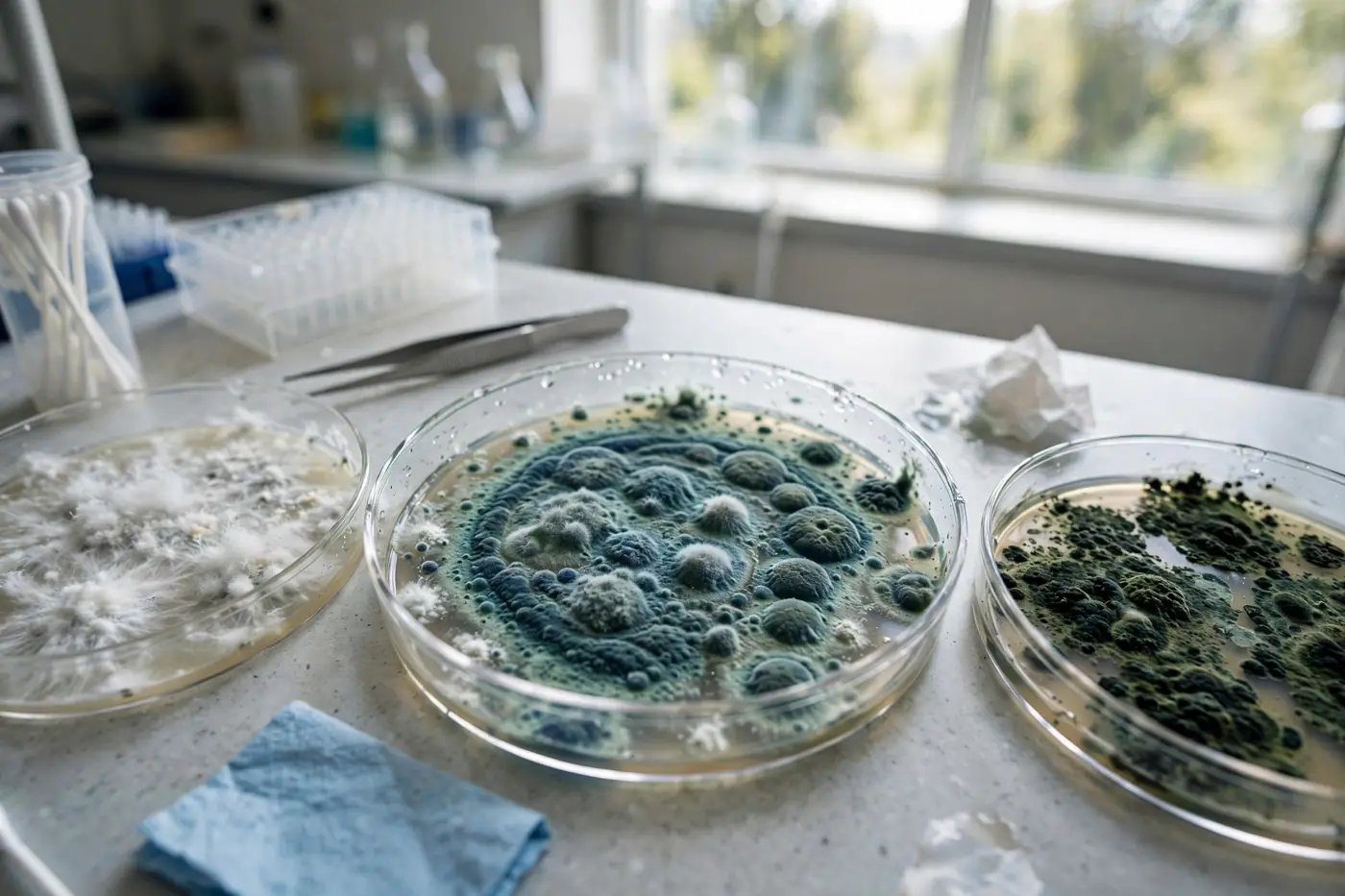
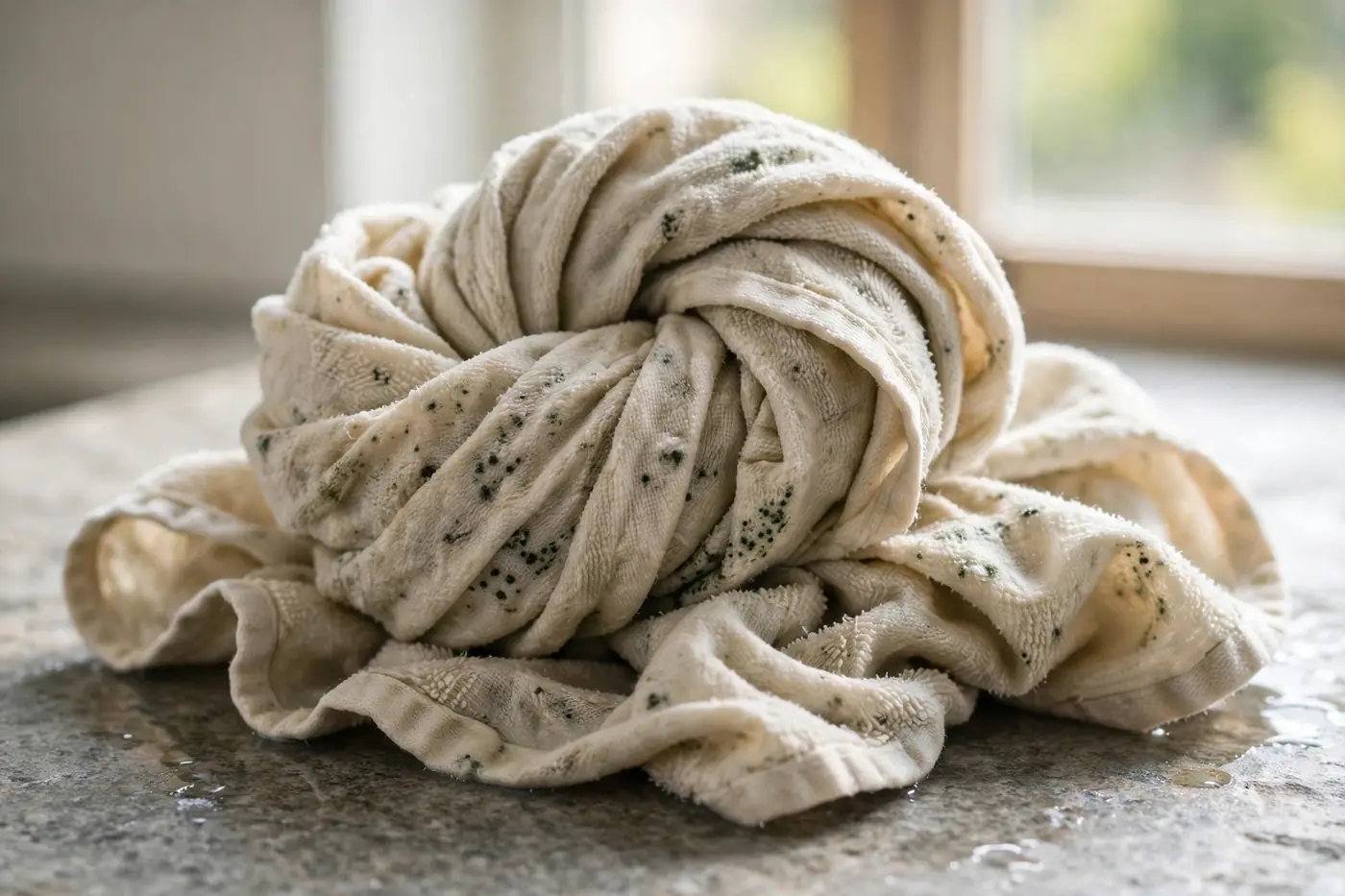
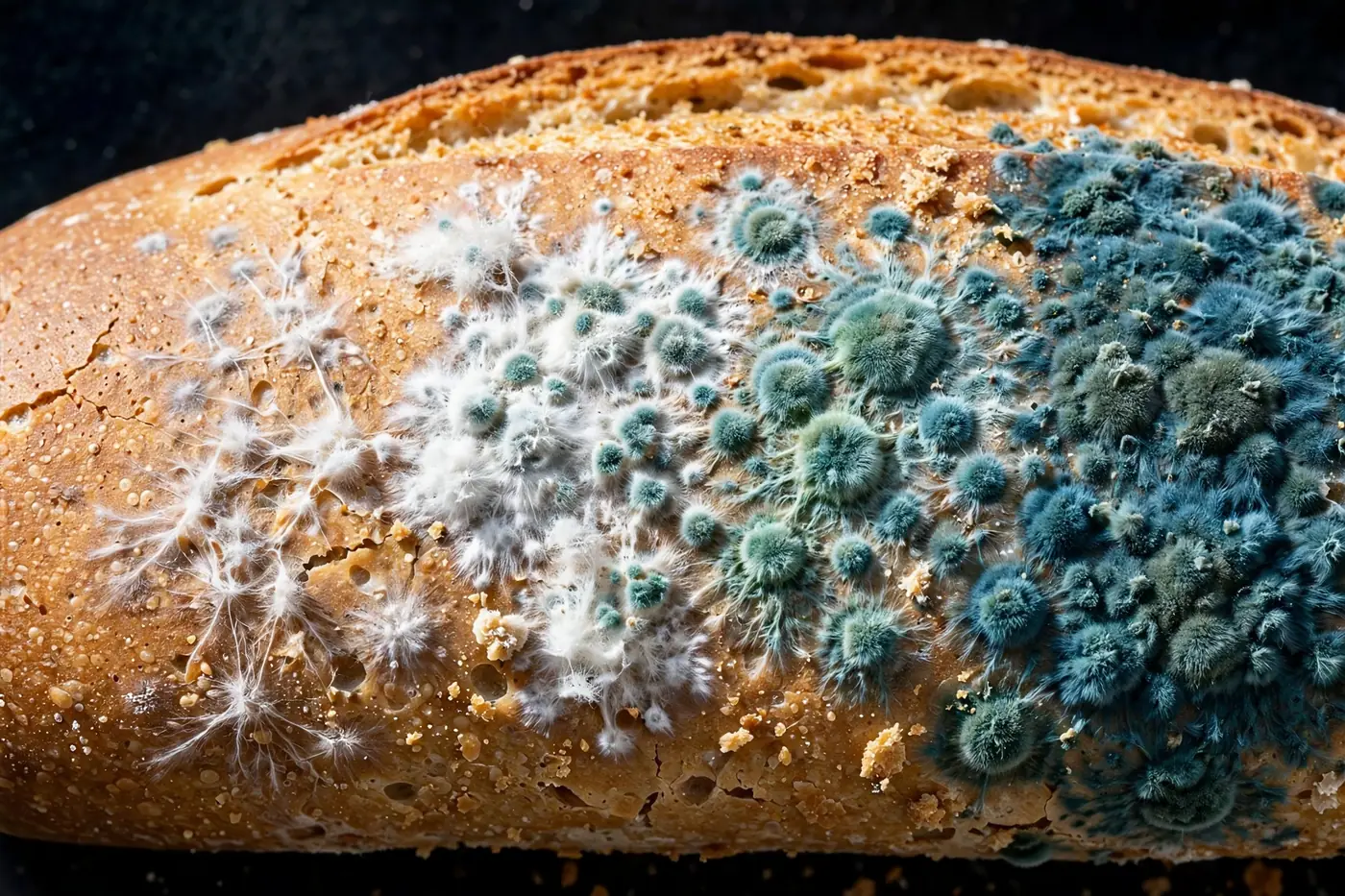
Mold feeds on that combination: moisture plus the paper, wood, dust, and adhesives inside ordinary building materials. Early growth produces little visible change and only a faint odor. As colonies expand on hidden surfaces, the smell strengthens and starts to travel, often through the air conditioning system, which is why a musty odor may seem to come from everywhere and nowhere at the same time. By the time the smell is obvious in late October, the source may have been active since the rain that caused it.
The first is the AC closet and the area around the air handler. Condensation is normal there, drain lines clog, and storm related humidity pushes the space further. Check for damp flooring, staining on nearby drywall, and odor that is stronger when the system runs.
The second is behind baseboards and lower drywall in any room that took water. Even shallow flooding wicks upward into the wall, and the back side of that drywall stays damp far longer than the painted side.
The third is under flooring. Water that ran under laminate, vinyl, or wood can sit on the subfloor with almost no sign from above until boards swell, soften, or start to lift.
The fourth is inside closets and closed rooms on exterior walls. Low airflow, stored boxes, and shoes and clothing against a damp wall create exactly the still, humid pocket mold prefers. If one closet smells worse than the rest of the house, take that seriously. Odor concentrates where growth is closest.
Do not paint over stains or musty drywall. Paint seals the surface, hides the evidence, and leaves the moisture and growth behind it untouched. Do not rely on household sprays for anything beyond a tiny surface patch on a non porous material. A smell that comes from inside a wall or under a floor will not be fixed from the room side. And do not tear into walls on your own if you suspect significant growth, because disturbing it without containment can spread spores to rooms that were previously clean.
A note on licensing, because it matters in Florida: mold assessment and mold remediation in Florida are performed by state licensed professionals. Skyfold Restoration coordinates and arranges that licensed work as part of a water damage response, so the drying, the assessment, and the remediation are handled as one connected job rather than three separate problems for the homeowner to manage.
A proper response starts with finding the moisture, not just the mold. Moisture detection in walls, floors, and ceilings identifies which materials are still wet, and that map decides everything else. Wet materials that can be dried are dried and verified. Materials that are damaged beyond saving are removed in a controlled way. Where licensed mold assessment or remediation is needed, that work is arranged with the appropriately licensed professionals, with containment used where the situation calls for it.
The order matters. Remediating mold while the underlying leak or trapped water remains simply schedules the mold to return. Fix the water, dry the structure, then deal with the growth. That sequence is what separates a permanent fix from a cosmetic one.
Documentation helps here as well. Photos of where the odor is strongest, when it started, and what the area looked like after the storm give the assessment team a timeline to work from. A clear history shortens the inspection and makes the recommended plan easier to understand and approve.
If the smell in your home started after storm water, a plumbing leak, or an AC overflow in the past few weeks, treat the timeline as information. Mold that is addressed while it is still mostly hidden is a smaller, cleaner, and less disruptive job than mold that has had another month to spread through the structure and the air system.
Related help: water damage restoration in Brandon, FL, water damage restoration in Miami Gardens, FL.
A musty smell after a storm is your home asking for a moisture check, not a coat of paint. Skyfold Restoration serves all of Florida, 24/7. Call (833) 606-6010 and we will help you find the source and arrange the right licensed help where it is needed.
Because most storm related mold grows on hidden surfaces: the back of drywall, under flooring, and inside AC spaces. The odor travels through indoor air and ductwork even when the growth itself is completely out of sight.
Mold can begin growing on damp materials within days in warm, humid conditions. In Florida, the bigger issue is how long materials stay wet. A wall cavity that never fully dried can keep feeding growth for weeks.
Small surface patches on hard, non porous materials are one thing. Growth fed by hidden moisture inside walls or under floors is another. Surface cleaning does not dry the structure or remove growth you cannot reach, and the smell and the problem usually return.
Florida mold assessment and remediation are done by state licensed professionals. Skyfold Restoration coordinates and arranges that licensed work as part of handling your water damage, so you have one call to make instead of several.
Timelines for mold after a leak or flood.
Read guideHow pros dry walls, floors, and framing.
Read guideWhat to check before you hire in Florida.
Read guideHidden moisture and mold do not fix themselves. Call now for a professional moisture check, or find your city.