
Water Damage Restoration in South Pasadena, FL
When water gets where it should not be inside a South Pasadena property, the clock starts immediately. Drywall wicks moisture upward within minutes, wood framing swells, and Florida's humidity gives mold a head start that dry climates never allow. Skyfold Restoration serves South Pasadena and surrounding Pinellas County communities with 24/7 emergency water damage response, professional extraction, structural drying, and moisture-verified restoration for homes, rentals, condos, and commercial buildings.
Our service model is built for how water losses actually happen in Tampa Bay. Calls come in at 2 a.m. from a burst supply line, on Sunday afternoons from a failed water heater, and during tropical storms when wind-driven rain finds a weak flashing detail. Every call to (833) 606-6010 reaches an emergency intake team that triages the loss, explains the immediate safety steps, and dispatches a response crew to South Pasadena with extraction and drying equipment.
Skyfold Restoration operates as a statewide Florida service network rather than a single storefront. We do not claim a local office in South Pasadena; instead, response teams cover Pinellas County and the wider Tampa Bay area from regional staging, which keeps crews available for emergencies across the region instead of tied to one zip code. When you call, we confirm availability for your specific South Pasadena address and give you a straight answer about timing.
Water damage help for residential, multifamily and commercial properties
Residential calls in South Pasadena most often involve single-family homes: burst washing-machine hoses, failed water heaters, slab leaks, AC condensate overflows, and roof leaks found after the next big rain. We handle the full arc from emergency extraction through drying, cleaning, and coordination of repairs, and we document everything in formats your insurer expects.
Multifamily properties, condos, and rentals add shared plumbing, common-area drainage, and questions about who pays for what. Our crews are used to working in occupied buildings in Pinellas County: containing the work area, protecting unaffected units, and producing per-unit documentation that property managers and HOAs can act on.
Commercial buildings need speed for a different reason: downtime. A flooded office, retail space, or hospitality property in South Pasadena loses revenue every hour it stays closed. We prioritize source control and extraction to get you operational, phase drying around your business hours where possible, and keep a clear paper trail for business-interruption records.
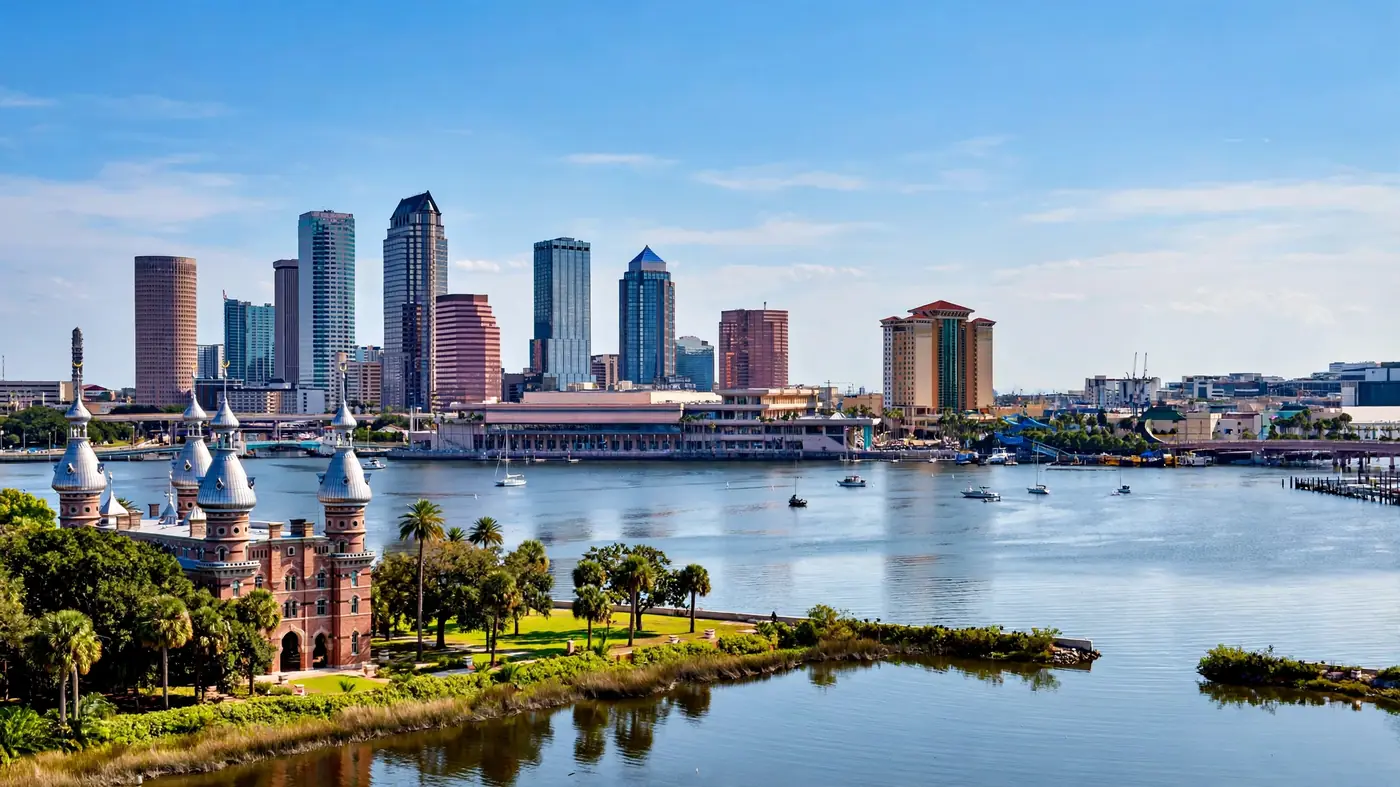
Water Damage Restoration South Pasadena: What Happens First?
The first hours after a water loss in South Pasadena matter more than most property owners expect. Water migrates: it runs under baseboards, wicks up drywall, seeps into subfloors, and hides inside wall cavities where it keeps damaging long after surfaces look dry. What happens first, and in what order, determines whether a loss stays a drying job or becomes a reconstruction project.
Every loss in South Pasadena is different in the details, but the physics of water in buildings is the same everywhere. These first steps address that physics directly: stop more water from arriving, account for what the water touched, and get professional eyes and meters on the loss before drying decisions get made.
Stop the source safely
Nothing else matters until the water stops coming in. For plumbing failures, that usually means closing the main shutoff valve, which in most South Pasadena homes sits near the water meter, in the garage, or on an exterior wall. For appliance leaks, shut the fixture valve behind the unit. For roof leaks during a storm, interior containment with buckets and tarps is the safe move; nobody should be on a wet roof in lightning.
If the water may be contaminated, from a sewage backup or floodwater that crossed yards and streets, do not wade in to reach valves. Shut power to affected areas from a dry location if you can do so safely, and let the response crew handle source control. Sewage and floodwater carry bacteria that make DIY contact a health risk.
Record the visible loss
Before anything is moved or cleaned, photograph and video the loss: standing water, wet walls and floors, damaged belongings, and the source if it is visible. Open closets and shoot inside them. These images become the foundation of any insurance documentation, and adjusters in Pinellas County expect timestamped, wide-and-close coverage of every affected room.
Make a simple written list as you go: which rooms are wet, what the water appears to have touched, and when you first noticed it. Note anything you do yourself, like shutting off the main or moving furniture, with the time. Contemporaneous notes carry weight with insurers and help our crew target the assessment when they arrive in South Pasadena.
Start the assessment
A professional assessment maps what eyes cannot see. Our technicians use pin and pinless moisture meters plus thermal imaging to trace how far water traveled inside walls, under flooring, and into subfloors and framing. In South Pasadena's humidity, materials that look dry on the surface routinely read wet on a meter, which is why instrument readings drive the drying plan instead of guesswork.
The assessment also classifies the water: clean supply-line water, gray water from appliances, or black water from sewage and flooding. That classification decides what can be dried and saved versus what must be removed for health reasons, and it shapes the cleaning and disinfection protocol for the rest of the job.
When South Pasadena Properties Need Water Damage Restoration
Not every wet floor needs a restoration crew, but certain situations in South Pasadena almost always do. The deciding factors are the water's source, how long materials stayed wet, and whether moisture reached places you cannot see or reach. Below are the scenarios our Tampa Bay teams respond to most often, and what makes each one a professional job rather than a DIY cleanup.
A useful rule for South Pasadena property owners: if water came from anywhere other than a clean supply line, if it sat for more than a few hours, or if it touched drywall, insulation, or subfloor, get a professional assessment. Florida's climate punishes the wait-and-see approach.
Active Plumbing Leak
A pressurized supply line in a South Pasadena home can release hundreds of gallons while everyone is at work or asleep. Copper pinhole leaks, failed braided hoses, and cracked CPVC fittings are the usual culprits in Pinellas County. Because the water is clean, fast extraction and drying can save most materials, but only if the response starts within hours.
Standing Water
Water standing on floors in South Pasadena is already migrating: under baseboards, into wall cavities, down through subfloors. Pumps and truck-mounted extraction remove it far faster than any consumer wet-vac, and speed matters because every hour of standing water extends drying time and raises the odds of flooring and drywall replacement.
Sewage Backup
Sewage backups in South Pasadena are a health emergency, not a cleaning project. Black water carries bacteria, viruses, and parasites, and porous materials it touches, carpet, pad, drywall, insulation, generally cannot be disinfected and must be removed. Our crews work in protective equipment, contain the area, and follow decontamination protocols.
Storm Water Intrusion
Wind-driven rain forces water through roof systems, window frames, and door thresholds during Tampa Bay storms, and it behaves differently than a plumbing leak: it enters at height, travels inside walls, and pools in unexpected places. Post-storm assessments in South Pasadena focus on tracing these paths with meters and thermal imaging before drying begins.
Appliance Water Damage
Dishwashers, washing machines, refrigerators with ice makers, and water heaters fail on schedules nobody predicts. In South Pasadena these slow or sudden failures often soak kitchens, laundry rooms, and garages, and because they start behind or beneath the appliance, the damage spreads quietly for days before it is visible.
Hidden Moisture
The most expensive losses in South Pasadena are the ones nobody saw: a slow AC condensate drip inside a wall, a shower pan leaking into a subfloor, a slab leak warming a patch of tile. Signs include musty odors, paint bubbling, baseboards pulling away, and unexplained humidity. Finding it requires meters and sometimes small exploratory openings, which is exactly what a professional assessment provides.
Common Water Damage Problems in South Pasadena
Water damage in South Pasadena comes from a familiar set of causes, and knowing them helps you spot trouble early. Florida's combination of hard-working plumbing, heat-stressed roofs, near-constant air conditioning, and tropical weather creates failure patterns that repeat across Pinellas County year after year.
The lists below reflect what restoration crews actually see in Tampa Bay, not textbook theory. If several of these sound like your property, a preventive check now is cheaper than an emergency call later.
Plumbing problems
Supply lines, drain lines, and fixtures fail with age, pressure, and water chemistry. In South Pasadena, the repeat offenders are burst washing-machine hoses, corroded angle stops under sinks, cracked toilet supply lines, pinhole leaks in copper, and slab leaks where copper runs beneath the foundation. Water heaters deserve special attention: most fail between years 8 and 12, often by rupturing the tank and releasing 40-plus gallons at once.
HVAC problems
Air conditioning runs most of the year in South Pasadena, and every system produces condensate that must drain away. Algae and biofilm clog condensate lines, drain pans rust through, and float switches fail, so water overflows into air-handler closets, ceilings below, and adjacent walls. Because these leaks are slow and hidden, they often run for weeks, soaking framing and feeding mold before anyone notices a stain or smell.
Building problems
The building envelope, roof, flashing, windows, doors, stucco, and siding, is South Pasadena's first defense against rain, and Florida weather tests it constantly. Common failures include lifted or missing shingles after wind events, cracked flashing around vents and skylights, failed window seals, and stucco cracks that let wind-driven rain into wall cavities. Flat and low-slope roofs pond water when drains clog, adding weight and finding seams.
Appliances problems
Dishwashers leak at door seals and supply connections, refrigerator ice-maker lines crack behind the unit, and washing machines fail at hoses and pumps. In South Pasadena these appliances often sit on upper floors or over finished spaces, so a leak damages the room below as well. Stainless braided hoses, leak pans, and automatic shutoff valves are inexpensive upgrades that prevent the worst outcomes.
Weather problems
Tropical systems, afternoon thunderstorms, and king-tide flooding drive the weather-related losses in South Pasadena. Hurricanes push storm surge and wind-driven rain into structures, while ordinary summer cells drop inches of rain in an hour and overwhelm gutters and yard drainage. Even properties that never flood can take water through roofs and windows when wind finds a weak point.
Sewer problems
Sewer backups in South Pasadena follow two patterns: private lateral failures, where roots invade or old pipes collapse, and municipal surges during heavy rain that push water back through floor drains and toilets. Grease, wipes, and scale narrow older lines until one heavy-use day triggers the backup. Backwater valves on vulnerable fixtures are the standard prevention where backups have happened before.
Why South Pasadena Water Damage Can Require Local Planning
Water damage restoration in South Pasadena is not one-size-fits-all. The building type, its age, its elevation, and how close it sits to water all change the assessment, the drying plan, and the repair scope. Local planning means matching the response to the property instead of running a generic playbook.
Crews working in Pinellas County plan around Tampa Bay's realities: fast-arriving storms, long humid drying conditions, and the mix of new construction and decades-old buildings found across the area.
Homes & Townhomes
Single-family homes and townhomes in South Pasadena are typically slab-on-grade, which makes slab leaks and AC condensate overflows the dominant hidden-loss patterns. Shared walls in townhomes mean a neighbor's leak becomes your problem, and HOA documents decide who pays. Drying plans account for tile over slab, which traps moisture beneath, and for attic ductwork that sweats in summer heat.
Condos & Apartments
Multifamily buildings in South Pasadena concentrate risk in plumbing stacks, common-area roofs, and ground-floor units that catch water from above and from saturated soil. A single failed water heater on an upper floor can affect four or more units. Restoration here means per-unit moisture mapping, contained work areas so residents can stay, and documentation split by unit for managers, HOAs, and insurers.
Offices & Professional Buildings
Office and professional buildings in South Pasadena often have flat roofs, rooftop HVAC, and large restroom cores, the three most common commercial leak sources. Losses here are scheduled around business operations: overnight extraction, phased drying, and containment that keeps parts of the building usable. Documentation supports both the property claim and any business-interruption records.
Hotels & Lodging
Hospitality properties in South Pasadena cannot afford to look or smell like they had a water event. Guest-room losses demand fast, quiet work: contained drying, low-odor cleaning products, and room-by-room moisture verification before the room returns to inventory. Common areas, laundries, and pool-adjacent spaces have their own patterns, from plumbing-heavy back-of-house areas to humidity-driven issues near indoor pools.
Older South Pasadena Properties
Older buildings in South Pasadena carry the failure points of their era: galvanized or polybutylene supply lines, cast-iron drains, original roofing near end of life, and electrical systems that complicate wet work. Materials may include plaster, original hardwoods, or asbestos-containing flooring that changes the removal protocol. Restoration planning for these properties starts with a more careful assessment and often a wider repair scope.
Lake-Area or Waterfront Properties
Waterfront and near-coast properties in South Pasadena live with salt air, storm surge exposure, and tidal influence on drainage. Elevated structures need their enclosed lower levels checked after every tropical event, and ground-level slabs need monitoring where surge or king tides have pushed water against the building. Saltwater intrusion corrodes mechanical systems faster than freshwater, so post-event assessments here include HVAC, water heaters, and electrical components, not just walls and floors.
How South Pasadena Water Damage Restoration Begins
Here is the full sequence our crews follow when water damage restoration begins at a South Pasadena property. Knowing the steps helps you understand what the crew is doing, what decisions are yours, and where the timeline can compress or stretch.
Every step below produces documentation. By the end of a typical South Pasadena job, the file includes photos, moisture logs, equipment records, and cleaning logs, which is exactly what insurers and property managers need to see.
Emergency Intake
Your call to (833) 606-6010 starts with triage: where the water is, what the source appears to be, whether power is affected, and whether anyone is at risk. We give immediate safety guidance, confirm service availability for your South Pasadena address, and dispatch a crew with the right extraction and drying equipment for what you described.
Assessment
On arrival, technicians walk the loss with moisture meters and thermal imaging, tracing water beyond the visible damage. They classify the water, identify affected materials, and flag safety issues like sagging ceilings or compromised electrical. You get a plain-language explanation of what is wet, what it means, and what happens next.
Source Control
The water has to stop before drying starts. Crews shut off supply valves, cap broken lines, contain roof leaks with interior protection, or coordinate emergency tarping needs. For sewage losses, source control includes stopping the backup path and isolating the affected area.
Extraction
Standing water comes out with truck-mounted or portable extraction units, weighted extraction tools for carpet, and squeegees and pumps for hard surfaces. Thorough extraction shortens every later phase: water removed mechanically never has to be evaporated, which saves days of drying time in South Pasadena's humidity.
Structural Drying
Air movers and dehumidifiers are placed according to the moisture map, not guesswork, creating airflow across wet surfaces while dehumidifiers pull moisture from the air. In South Pasadena, dehumidification does the heavy lifting because ambient humidity alone would stall drying. Equipment placement follows the readings and gets adjusted as materials dry.
Moisture Monitoring
Technicians return to take daily moisture readings and log them against drying targets. This monitoring is the difference between restoration and hope: materials are declared dry when meters say so, not when they look or feel dry. Logs become part of your documentation package.
Cleaning
Water touches everything it reaches, so cleaning follows drying: hard surfaces get washed and disinfected, salvageable contents get cleaned, and HVAC systems get evaluated when they were in the moisture path. Sewage and flood losses get a stronger decontamination protocol appropriate to the contamination level.
Restoration
Restoration means returning the property to its pre-loss condition: the industry term for putting back what water damaged. That ranges from repainting and reattaching baseboards to replacing drywall sections, flooring, and insulation that could not be saved. The scope is set by the assessment and the drying results, not by assumption.
Repairs
Repairs address the systems that failed or were damaged: the burst pipe section, the failed water heater, the roof detail that let storm water in. Fixing the cause matters as much as fixing the damage, or the next rain or pressure cycle starts the whole process over.
Reconstruction
When removal was extensive, drywall, flooring, cabinets, or larger structural sections, reconstruction rebuilds those assemblies to finish. For South Pasadena properties this phase is coordinated after drying is verified complete, so new materials never go into a still-damp structure.
What to Do After Water Damage in South Pasadena
Found water damage in South Pasadena? These are the steps to take right now, in order, while you wait for professional help or decide whether you need it. They protect your safety, limit the damage, and preserve the documentation your insurer will want.
Print this mentally or bookmark the page: in the stress of a water event, having the sequence written down keeps the response orderly instead of frantic.
Stay Safe
Water and electricity are a dangerous combination. Do not enter standing water where electrical devices, outlets, or panels may be energized. If water is near the breaker panel or you cannot reach it from a dry location, leave power alone and wait for professionals. Sewage or floodwater means protective gear or no entry at all.
Stop the Source
Close the main water shutoff for plumbing leaks, the fixture valve for appliance leaks, and use buckets and tarps for active roof drips. Every gallon you prevent is a gallon that does not have to be extracted and dried. If you cannot find or safely reach the shutoff in your South Pasadena property, tell us when you call and the crew will handle it on arrival.
Document
Photograph everything before you move or clean anything: wide shots of each wet room, close-ups of damage, the source if visible, and affected belongings. Video walkthroughs with narration help. Save receipts for any emergency spending, like tarps or a hotel room, because insurers reimburse reasonable mitigation costs.
Remove Standing Water
If the water is clean and shallow and you can work safely, start removing it: wet-vac, mops, towels, and moving water toward drains. Pull up wet area rugs. What you cannot do yourself, removing water from inside walls, under flooring, and from saturated porous materials, is exactly what professional extraction equipment is for, so do not delay calling (833) 606-6010 while you mop.
Check Moisture
Feel is unreliable: press a paper towel against baseboards and the bottom of drywall, look inside closets, and sniff for musty odors that signal hidden wetness. In South Pasadena's humidity, assume water traveled farther than it looks. Professional moisture meters settle the question, and our assessment maps the full extent before drying decisions are made.
Begin Drying
Open interior doors, move air with fans if you have them, and run the air conditioning to pull humidity from the air, but do not run the HVAC if the system itself got wet or if there is sewage contamination. Real structural drying needs commercial dehumidification aimed by moisture readings, which is why early professional response in South Pasadena shortens the whole timeline.
Services Connected to South Pasadena Water Damage
Water damage restoration in South Pasadena rarely involves just one service. A burst pipe needs extraction plus drying; a storm loss needs intrusion tracing plus drying plus repairs. These are the core services our crews bring to South Pasadena properties, and most jobs combine several of them.
Every service below is delivered by the same regional crews that cover Pinellas County, with one documented file from first call to final walkthrough.
Water Extraction
High-volume pumps and truck-mounted extractors remove standing water from South Pasadena properties fast, the critical first step that shortens every phase that follows.
Structural Drying
Commercial air movers and dehumidifiers dry walls, floors, and framing in South Pasadena to meter-verified targets, essential in Florida humidity where air-drying alone fails.
Flood Damage Restoration
For storm surge, overflowing waterways, and heavy-rain flooding in South Pasadena, including contamination-aware cleanup and documentation for flood and homeowners claims.
Sewage Cleanup
Safe containment, removal, and decontamination after sewage backups in South Pasadena, with protective protocols and disposal of porous materials that cannot be sanitized.
Emergency Water Damage Restoration
24/7 rapid response for burst pipes, major leaks, and storm intrusion in South Pasadena: source control, extraction, and stabilization any hour of the day or night.
Mold Remediation
When South Pasadena's humidity turns a water loss into mold growth, contained remediation removes colonization and addresses the moisture source that fed it.
Storm Damage Restoration
Post-storm water intrusion response in South Pasadena: roof-leak containment, wind-driven rain tracing with thermal imaging, extraction, and drying after tropical systems.
Fire Damage Restoration
Fire suppression soaks structures, so South Pasadena fire losses often need full water extraction and drying alongside smoke and soot cleanup.
Hidden Water Damage Signs in South Pasadena
The water you can see is rarely the whole story in a South Pasadena property. Water migrates inside wall cavities, under flooring, and into subfloors and framing, and Florida's humidity lets it linger there for weeks while surfaces look fine. These are the signs that moisture is hiding where you cannot see it.
If any of these sound familiar in your South Pasadena home or building, a moisture assessment with meters and thermal imaging will confirm or rule out hidden damage in a single visit. Call (833) 606-6010 to schedule one.
Staining or bubbling
Yellow-brown stains on ceilings and walls, bubbling or peeling paint, and wallpaper lifting at seams all signal water moving through or behind the surface. In South Pasadena, AC condensate leaks and slow plumbing drips are the usual causes, and by the time staining shows, the cavity behind it is often thoroughly wet.
Warping or movement
Baseboards pulling away from walls, door frames swelling shut, laminate or wood flooring cupping and buckling, these are materials reacting to moisture from below or behind. Tile floors can hide the worst cases: water trapped under tile on a South Pasadena slab keeps the subfloor wet while the surface looks perfect.
Musty or damp odor
A persistent musty smell, especially in closets, under sinks, or in rooms that stay closed, means microbial growth is active somewhere nearby. In South Pasadena's climate, odor often appears before any visible sign, because mold colonizes inside wall cavities and under flooring where eyes never go. Trust the nose and investigate.
Unexplained readings
Sometimes the sign is on paper, not in the room: a water bill that jumps with no explanation, a humidity reading that stays high in one room, condensation that never used to form. Smart water monitors and meter checks catch what senses miss. A sudden usage spike in a South Pasadena home is worth a professional leak check before it becomes a loss.
Water Damage Restoration for South Pasadena Properties
Different property types in South Pasadena need different restoration approaches. A single-family home, a condo building, and a retail space can suffer the same burst pipe and still need completely different plans for access, containment, drying, and documentation.
Our crews work across all three every week in Pinellas County, so the plan for your property type is routine for us even when the loss feels anything but routine to you.
Residential
Homeowners in South Pasadena get the full residential protocol: fast extraction, room-by-room moisture mapping, contained drying that lets your family stay in unaffected areas, and content handling for furniture and belongings. We document in homeowner-friendly formats and coordinate with your insurer's adjuster so you are not translating contractor language on your own.
Residential losses also get practical guidance: what to move, what to leave for the crew, how to protect unaffected rooms, and when it is safe to use plumbing and electrical again. Most South Pasadena home jobs finish drying within days, with repairs scheduled right after.
Multifamily
Condos, apartment buildings, and rental portfolios in South Pasadena need per-unit documentation, contained work areas, and coordination with managers, HOAs, and sometimes multiple insurers. Our crews map moisture unit by unit, protect common areas and elevators during equipment moves, and produce the split documentation that lets each party file correctly.
Source questions, a neighbor's leak, a common-area roof, a failed building system, get answered in writing with the moisture evidence to back it up. That clarity prevents the disputes that stall multifamily recoveries in Pinellas County.
Commercial
Commercial properties in South Pasadena, offices, retail, restaurants, hospitality, warehouses, measure loss in downtime as well as damage. We plan around your operation: overnight and weekend work, phased drying that keeps parts of the building open, and containment that protects inventory, equipment, and customers from the work zone.
Documentation supports both the property claim and business-interruption records: timestamps, moisture logs, equipment runtime, and photo sets organized for adjusters and accountants alike.
Water Extraction & Moisture Detection in South Pasadena
Extraction and moisture detection are the two halves of the opening phase: get the water out, then prove where it went. In South Pasadena, where humidity slows every drying process, doing both thoroughly is what separates a complete restoration from a loss that resurfaces months later.
Professional extraction removes water orders of magnitude faster than consumer equipment, and professional detection finds moisture that no eye or hand can. Together they set the drying plan and the documentation baseline.
What to look for
During extraction in a South Pasadena property, technicians look beyond the obvious puddles: water under baseboards, inside wall cavities, beneath tile and flooring, in subfloors and sill plates, and inside cabinets and vanities. Weighted extraction tools pull water from carpet and pad, while hard-surface wands and pumps clear tile, concrete, and wood floors.
Detection runs in parallel. Pin meters read moisture inside wood and drywall, pinless meters scan large areas without damage, and thermal cameras reveal temperature patterns that suggest wet insulation and cavities. Every reading gets logged with its location, building the moisture map that drives drying placement.
Why monitoring matters
Extraction ends the emergency; monitoring proves the recovery. Technicians return to re-read the same points and compare against drying targets for each material. In South Pasadena's humid air, materials can plateau, appearing stalled while dehumidifiers keep working, and only logged readings show the real trend.
Monitoring logs also protect you. They are the evidence that drying was complete before repairs began, which matters for insurance, for property managers answering to owners, and for anyone selling a South Pasadena property that once had a loss. Dry on paper beats dry by guesswork every time.
Water Damage Restoration Timeline in South Pasadena
How long does water damage restoration take in South Pasadena? The honest answer: it depends on the water category, the materials affected, and how fast drying starts. Below is the typical sequence and what each phase usually takes for a standard residential loss.
Use this timeline to plan: most South Pasadena homeowners can stay in the property during drying, with the noisiest equipment running during daytime hours.
Assessment
Hours 0 to 4. The crew arrives, maps moisture, classifies the water, and sets the plan. You get a clear explanation of what is wet and what happens next before any equipment comes off the truck.
Extraction
Hours 1 to 8. Standing water is removed the same visit as the assessment in most South Pasadena jobs. Large commercial or flood losses can extend extraction into the next day, but the goal is always the same: no standing water overnight.
Drying Setup
Day 1. Air movers and dehumidifiers go in according to the moisture map. Containment may go up around the work area. You will hear the equipment; modern units are quieter than the machines of a decade ago, but drying a South Pasadena home is not silent work.
Monitoring
Days 2 to 5. Technicians return daily to log moisture readings and adjust equipment. Most standard South Pasadena residential losses reach drying targets in 3 to 5 days; tile-over-slab, dense hardwoods, and saturated framing take longer. Equipment comes out only when meters confirm targets.
Cleaning
Days 4 to 7, overlapping drying. Surfaces are washed and disinfected, contents cleaned, and HVAC evaluated if it was in the moisture path. Sewage and flood losses add decontamination steps that extend this phase.
Repairs
Week 2 onward. With drying verified complete, repairs and reconstruction begin: drywall, flooring, paint, trim, and the fix for whatever caused the loss. Scheduling depends on scope and material lead times, not on drying, which is already done.
Water Damage Insurance & Documentation in South Pasadena
Insurance is where many South Pasadena water losses get complicated, and the complications are usually about documentation and timing rather than coverage itself. Understanding the basics before you file saves weeks of back-and-forth with adjusters.
Sudden and accidental water damage, burst pipes, appliance failures, is typically covered by homeowners policies in Florida. Long-term leaks, wear and tear, and flooding from outside are typically not, which is why fast response and good records matter so much.
Emergency or Follow-Up Restoration?
Emergency restoration starts within hours: extraction, source control, and stabilization to prevent further damage. Insurers expect you to mitigate promptly, and they generally reimburse reasonable emergency costs. Follow-up restoration, drying verification, cleaning, repairs, and reconstruction, proceeds after the adjuster's inspection or alongside it. Our South Pasadena crews document both phases so the file supports the claim from the first hour.
Do not wait for adjuster approval before emergency mitigation. Florida policies include a duty to mitigate, meaning you must take reasonable steps to limit damage. Photograph everything, save receipts, and let the crew's documentation do the talking. For help organizing the claim itself, see our insurance claims assistance service, which helps Pinellas County property owners assemble photo sets, moisture logs, and inventories in the formats adjusters expect.
Preventing Repeat Water Damage in South Pasadena
The cheapest water loss in South Pasadena is the one that never happens. Most of the failures our crews see are preventable with inexpensive parts and a few hours of attention per year. Work through this list seasonally and after every major storm.
Renters in South Pasadena: several of these are landlord responsibilities, but knowing the list helps you report problems early, which protects your belongings and your deposit.
Check leak sources
Replace rubber washing-machine hoses with braided stainless lines, check the water heater's age and pan, look under every sink for corroded valves and slow drips, and test toilet supply lines. In South Pasadena homes, a ten-minute quarterly walkthrough of these points catches most supply-side failures before they burst.
Maintain drainage
Clean gutters and downspouts, confirm downspouts discharge away from the foundation, and keep yard swales and drains clear of debris. In South Pasadena's downpours, a single clogged gutter can pour hundreds of gallons against a wall in one storm.
Watch AC moisture
Pour a cup of diluted vinegar or an approved algaecide through the condensate line access every few months, confirm the drain pan is intact, and make sure the float switch shuts the system down if the line clogs. This five-minute habit prevents one of South Pasadena's most common hidden leaks.
Check after storms
After every tropical system or severe thunderstorm, walk your South Pasadena property: roof lines from the ground, ceilings for new stains, window tracks for water entry, and yards for drainage failures. Early discovery turns a roof-leak repair into a drying job instead of a mold remediation.
Respond early
Small wet spots become big losses on Florida timelines. If you find moisture in your South Pasadena property, start the safety and documentation steps immediately and call (833) 606-6010. A same-day assessment and a few hours of extraction routinely prevent the secondary damage that multiplies claim costs.
Keep records
Photograph your property's normal condition once a year, keep receipts for plumbing and roof work, and save appliance model numbers and install dates. When a loss happens in South Pasadena, this file makes insurance documentation dramatically easier and speeds every conversation with adjusters.
RESTORATION HELP NEAR SOUTH PASADENA
Skyfold Restoration's Tampa Bay coverage reaches beyond South Pasadena into the surrounding communities. If your property is in one of these nearby areas, the same emergency intake, extraction, and drying services apply.
Coverage is organized by region rather than by storefront, which is how crews stay available across Pinellas County instead of waiting at a single address.
Belleair Bluffs
Water damage restoration coverage extends to Belleair Bluffs, with the same 24/7 emergency response serving South Pasadena and Pinellas County.
Belleair
Water damage restoration coverage extends to Belleair, with the same 24/7 emergency response serving South Pasadena and Pinellas County.
Belleair Shore
Water damage restoration coverage extends to Belleair Shore, with the same 24/7 emergency response serving South Pasadena and Pinellas County.
East Lake
Water damage restoration coverage extends to East Lake, with the same 24/7 emergency response serving South Pasadena and Pinellas County.
Gulfport
Water damage restoration coverage extends to Gulfport, with the same 24/7 emergency response serving South Pasadena and Pinellas County.
Indian Shores
Water damage restoration coverage extends to Indian Shores, with the same 24/7 emergency response serving South Pasadena and Pinellas County.
Kenneth City
Water damage restoration coverage extends to Kenneth City, with the same 24/7 emergency response serving South Pasadena and Pinellas County.
Madeira Beach
Water damage restoration coverage extends to Madeira Beach, with the same 24/7 emergency response serving South Pasadena and Pinellas County.
OFFICIAL PUBLIC INFORMATION FOR SOUTH PASADENA
For flood risk, evacuation, and emergency information affecting South Pasadena, these public sources are the authoritative references. We link them here because knowing your flood zone and watching official forecasts is part of protecting any Pinellas County property.
Bookmark the county and FEMA links before storm season, not during it. When a system is approaching, official channels update faster than any private site.
County Flood Info
Pinellas County publishes floodplain maps, drainage information, and local flood warnings through its official county website and emergency management office. Search for "Pinellas County floodplain" or "Pinellas County emergency management" to find parcel-level flood zone lookups, sandbag locations during storms, and local drainage contacts.
Local Weather
The National Weather Service (weather.gov) provides forecasts, severe thunderstorm and tropical warnings, and flood watches for South Pasadena. During hurricane season, pair NWS products with your county's emergency alerts for evacuation and shelter information.
FEMA Flood Maps
FEMA's Map Service Center (msc.fema.gov) is the official source for Flood Insurance Rate Maps. Enter your South Pasadena address to see your flood zone designation, which determines flood insurance requirements and informs how you protect the property.
Florida Emergency Management
The Florida Division of Emergency Management (floridadisaster.org) coordinates statewide preparedness, evacuation guidance, and disaster recovery resources. Its site links to every county emergency management office, including Pinellas County's.
WATER DAMAGE BASICS
Water Damage Categories 1, 2, 3: What They Mean for Your South Pasadena Property
Clean water, gray water, black water. These three categories decide how water damage gets handled at your South Pasadena property, and they explain why two floods that look similar can need very different work.
Category 1 covers water from sanitary sources like supply line breaks and tub overflows. Category 2 is lightly contaminated water from appliances, sump pump failures, or seepage through building materials. Category 3 is grossly contaminated: sewage, rising floodwater, and storm surge. Here the health risk is real, and anything porous that it soaked usually cannot be saved.
Why does the label matter to you? It shapes the estimate, the timeline, and the safety measures on site. It also matters to your insurer, since the source and category of water affect how a claim is evaluated. Before drying equipment is placed, the water category should be identified and documented as part of the structural drying process.
DRYING TECHNOLOGY
Restoration Equipment Used in South Pasadena Water Damage Jobs
Walk onto a well-run drying job in South Pasadena and you will see more than fans. You will see a system: extraction, airflow, dehumidification, and detection working together.
Extraction units remove the bulk water. Air movers evaporate moisture from surfaces while commercial dehumidifiers, often LGR models built for humid climates, capture it from the air. Moisture meters confirm how wet each material is, and thermal imaging reveals cold, damp areas inside walls and ceilings that look dry on the surface. HEPA air scrubbers run throughout to control particles stirred up by the work.
The reason for all this technology is simple: water hides. In Florida homes it wicks up drywall, sits under tile, and lingers in wall cavities long after surfaces feel dry. Finding it early prevents the secondary damage, swelling, warping, and mold, that shows up weeks later. A structural drying crew that measures as it goes can prove the property is actually dry, not just dry to the touch.
PROJECT TIMELINES
How Long Does Water Damage Restoration Take in South Pasadena?
How long will this take? For water damage in South Pasadena, think in three phases rather than one number.
Phase one is emergency response: assessment and extraction, usually completed the same day help arrives. Phase two is drying and dehumidification, most often three to five days, with moisture readings guiding when equipment comes out. Phase three is repair and reconstruction, which ranges from a few days for minor damage to one to three weeks when walls, floors, or cabinets were removed.
What changes the math? The water category, the materials involved, how long water sat before extraction, and how quickly insurance approves the repair scope. Contaminated water adds cleaning and disposal time; tile and concrete dry slower than drywall. A detailed written estimate that separates mitigation from reconstruction makes the timeline transparent and easier to hold to.
INSURANCE GUIDE
Will Insurance Cover Water Damage in South Pasadena, Florida?
Insurance covers many water losses in South Pasadena, but not all of them, and the difference matters before you file.
Covered: sudden pipe bursts, appliance failures, and water intrusion caused by a covered peril such as wind damage to the roof. Not covered: floodwater rising from outside (that needs flood insurance), long-term seepage, and damage from neglected maintenance. Mold coverage is often capped by a sublimit, so check that endorsement too.
Your best move is to mitigate first and document as you go. Shut off the source if safe, photograph the damage with timestamps, and keep records of every mitigation step and expense. Insurers expect to see that you acted quickly to limit the loss. For a step-by-step approach to the claims process, see insurance claims assistance, which covers the documentation adjusters look for.
PREVENTION
Preventing Future Water Damage in South Pasadena
You cannot control Florida weather, but you can control how ready your South Pasadena property is for it.
Walk the property twice a year with a prevention eye. Check appliance hoses, water heater connections, and shutoff valves for corrosion or drips. Pour water through AC condensate lines to confirm they drain freely, and replace a cracked drain pan before it overflows. Clean gutters and extend downspouts so roof runoff lands well away from the foundation. If your home has a sump pump or backwater valve, test it before storm season, not during.
Inside the home, humidity is the slow threat. Keep it under 60 percent, respond to musty odors quickly, and never ignore a water stain; small leaks become big claims. Document your maintenance too: insurers look more favorably on losses at well-kept properties. The checklist is the same for neighboring communities like Belleair Bluffs, where Florida's climate creates identical risks.
South Pasadena Water Damage Restoration FAQs
Answers to the questions South Pasadena property owners ask us most often about water damage, response, cost, insurance, and what happens after the crew leaves.
These answers reflect how restoration works across Pinellas County. Your specific loss gets specific answers during the assessment.
How fast can a crew reach my South Pasadena property in an emergency?
Emergency intake at (833) 606-6010 runs 24/7, and dispatch starts during your call. Arrival time depends on your exact South Pasadena address, current conditions, and crew availability across Pinellas County, and intake will give you a straight estimate before you hang up. Calling sooner always shortens the total job, because extraction that starts today prevents the secondary damage that appears next week.
Do you have an office in South Pasadena?
We do not claim a local office in South Pasadena. Skyfold Restoration covers South Pasadena and Pinellas County with response teams dispatched across Tampa Bay, which keeps crews available for emergencies region-wide instead of tied to one address. When you call, we confirm availability for your specific property and give you honest timing.
What should I do in the first minutes after finding water damage in South Pasadena?
Stay safe first: avoid standing water near anything electrical, and do not enter areas with sewage or floodwater. Stop the source if you can do it safely, usually the main shutoff for plumbing leaks. Photograph everything before moving or cleaning anything, then call (833) 606-6010. Those photos and your notes become the foundation of the insurance file.
Will my homeowner's insurance cover water damage in South Pasadena?
Sudden and accidental losses, burst supply lines, appliance failures, wind-driven rain through a storm-damaged roof, are typically covered by Florida homeowners policies. Gradual leaks, wear and tear, and flooding from rising water outside are typically excluded; flood needs a separate flood policy. We document every loss with photos, moisture logs, and equipment records in the formats adjusters expect, and our insurance claims assistance service helps organize the file.
How long does structural drying take in South Pasadena?
Most standard residential losses in South Pasadena reach drying targets in 3 to 5 days of mechanical drying. Florida's humidity is the reason it takes professional dehumidification rather than fans and open windows: ambient moisture alone stalls drying. Dense materials like hardwood, plaster, and tile over slab take longer, and daily meter readings decide when equipment comes out, not the calendar.
Can mold start growing after water damage in South Pasadena?
Yes, and fast. In Florida's heat and humidity, mold can colonize damp drywall, wood, and other organic materials within 24 to 48 hours of a water event. That timeline is why rapid extraction and dehumidification matter so much here. If a past loss was left to air-dry, or you smell mustiness with no visible water, a moisture assessment can find what is feeding it.
Do you handle sewage backups in South Pasadena?
Yes. Sewage is Category 3 black water and gets a full contamination protocol: contained work areas, protective equipment, removal of porous materials that cannot be disinfected, and decontamination of what remains. Do not attempt cleanup yourself and keep people and pets out of the area until the crew arrives.
Related Water Damage Guides
Two guides worth reading before or after a loss in South Pasadena:
Florida Storm & Flood Guide
How tropical systems, storm surge, and heavy-rain flooding affect Florida properties, and what to do before, during, and after the water comes in.
Florida Restoration Scams
How to spot assignment-of-benefits abuse, inflated scopes, and door-knocker tactics that target Florida homeowners after storms, and how legitimate restoration works instead.
Need Water Damage Restoration in South Pasadena?
Water damage gets worse with every hour it waits, and in South Pasadena's climate the secondary damage starts fast. Call now for 24/7 emergency intake, professional extraction, and moisture-verified drying across South Pasadena and Pinellas County.