Hurricane Season Water Damage Prep
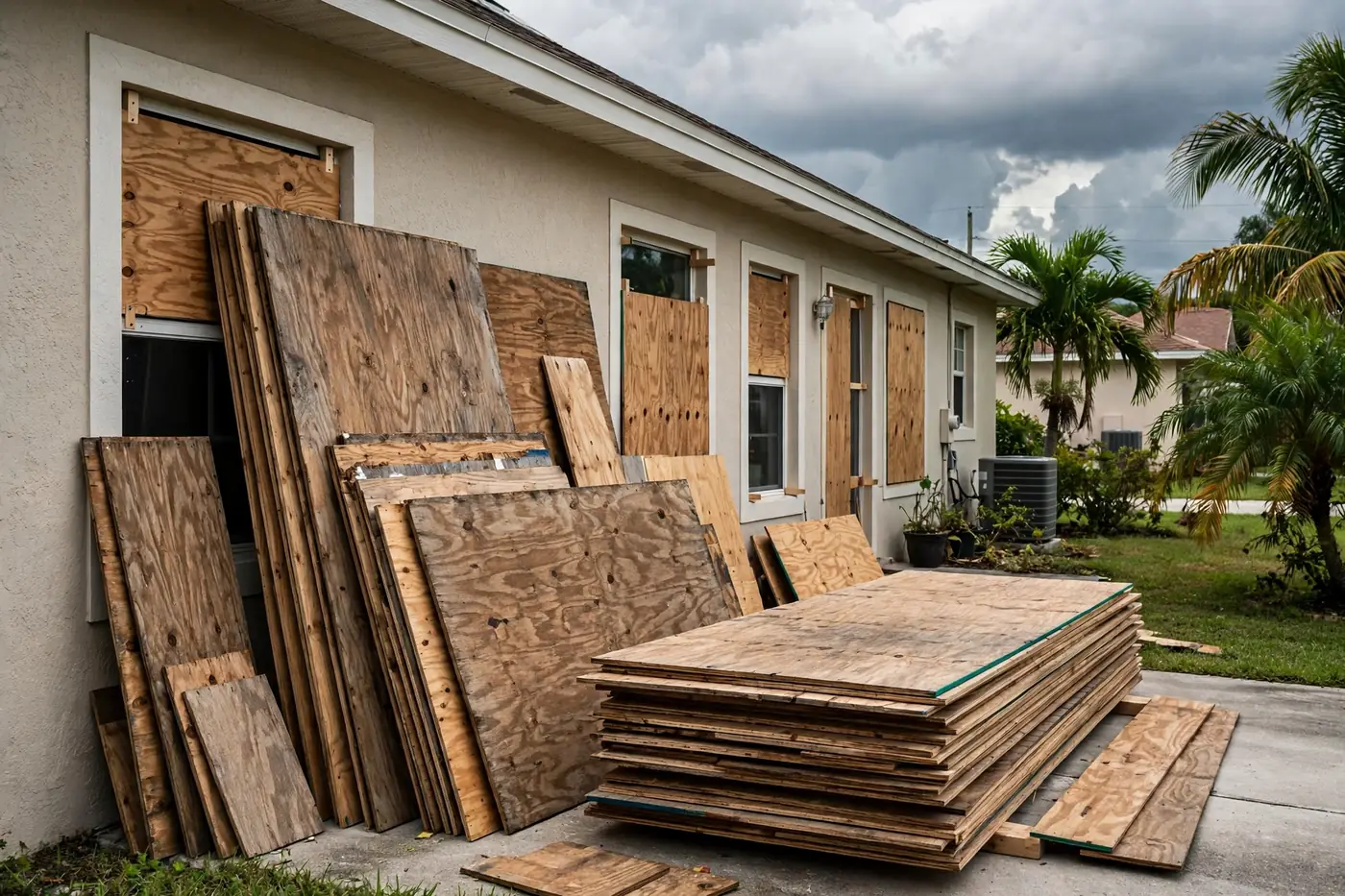
How to get your Florida home ready before a storm arrives.
Read guideHurricane season in Florida does not end when the weather turns pleasant. It ends on November 30. Late October often feels calm, sunny, and breezy, yet this is still part of the official season, and late-season systems can form in the western Caribbean and the Gulf and move toward Florida with little lead time. For homeowners, the practical answer is simple: stay prepared through the end of November, know where water is most likely to enter and hide in your home, and act quickly if it does.
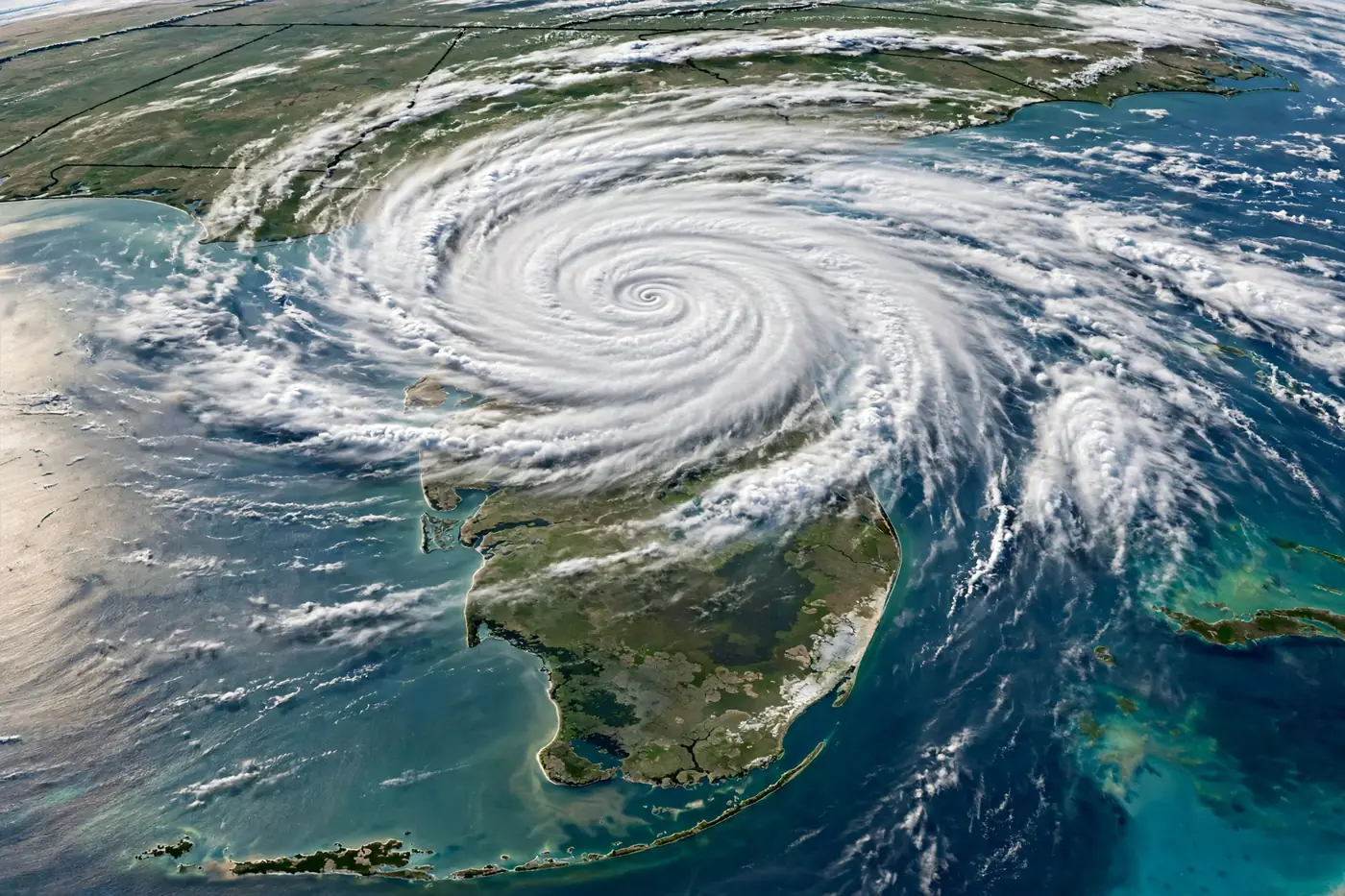
Hurricane season in Florida does not end when the weather turns pleasant. It ends on November 30. Late October often feels calm, sunny, and breezy, yet this is still part of the official season, and late-season systems can form in the western Caribbean and the Gulf and move toward Florida with little lead time. For homeowners, the practical answer is simple: stay prepared through the end of November, know where water is most likely to enter and hide in your home, and act quickly if it does.
By late October, most households have relaxed. Shutters are stored, patio furniture is back outside, and storm supplies have drifted to the back of the pantry. That relaxation is understandable, because the busiest part of the season has passed. It is also the risk. A late-season storm does not need to be a major hurricane to cause real water damage. Tropical moisture, a stalled front, or a slow moving system can drop heavy rain over the same neighborhoods for hours, and Florida ground that is already saturated from the season has nowhere to put it.
Late storms also tend to surprise people in a second way. Attention focuses on wind, but in many Florida homes the lasting damage comes from water: rain pushed under doors, water backing up through drains, roof leaks that only appear under driving rain, and flooding in garages, lanais, and ground floor rooms. Wind damage is visible the same day. Water damage often is not, which is why late October and November calls so often involve damage that started weeks earlier.
After any storm, the obvious water gets cleaned up first. The water that causes the expensive problems is the water nobody saw. Check these places once the weather clears and it is safe to move around your home.
Start at the baseboards. Drywall and trim wick water upward, so swelling, bubbling paint, or a baseboard pulling away from the wall suggests moisture behind it. Next, check flooring. Laminate and wood floors that feel soft, sound hollow, or start to cup at the edges have usually absorbed water from below. Inside the AC closet, a clogged condensation drain can overflow quietly and soak the surrounding floor and wall. Under every sink, feel the cabinet floor for dampness and look for slow drips that only appear when the tap runs. Finally, look up. A fresh ceiling stain in a room below a bathroom or roof valley is a message from above, and it should never be painted over until the source is found and the material above it is dry.
If you use a crawl space or have low storage areas, check those too. Stored boxes that sat in even a shallow layer of water will hold moisture and odor long after the floor looks dry.
Safety comes first. If water is near electrical outlets, panels, or appliances, keep clear and call for help rather than wading in. If the source is plumbing and you can reach the shutoff safely, turn the water off. For storm water, wait until conditions outside are safe before opening doors to assess damage.
Then document before you clean. Take clear photos and short videos of every affected room, the water line on walls if there is one, and damaged belongings before anything is moved or thrown away. That record matters for insurance, and it is far easier to capture in the first hour than to rebuild from memory later.
Once documented, remove standing water and wet items if you can do so safely, and start air moving. Fans and open airflow help surfaces, but they do not reliably dry inside wall cavities, under flooring, or inside insulation. That hidden moisture is the reason professional extraction and drying exists. Getting the structure properly dry, and confirming it with moisture readings, is what prevents a storm week problem from becoming a mold problem in November.
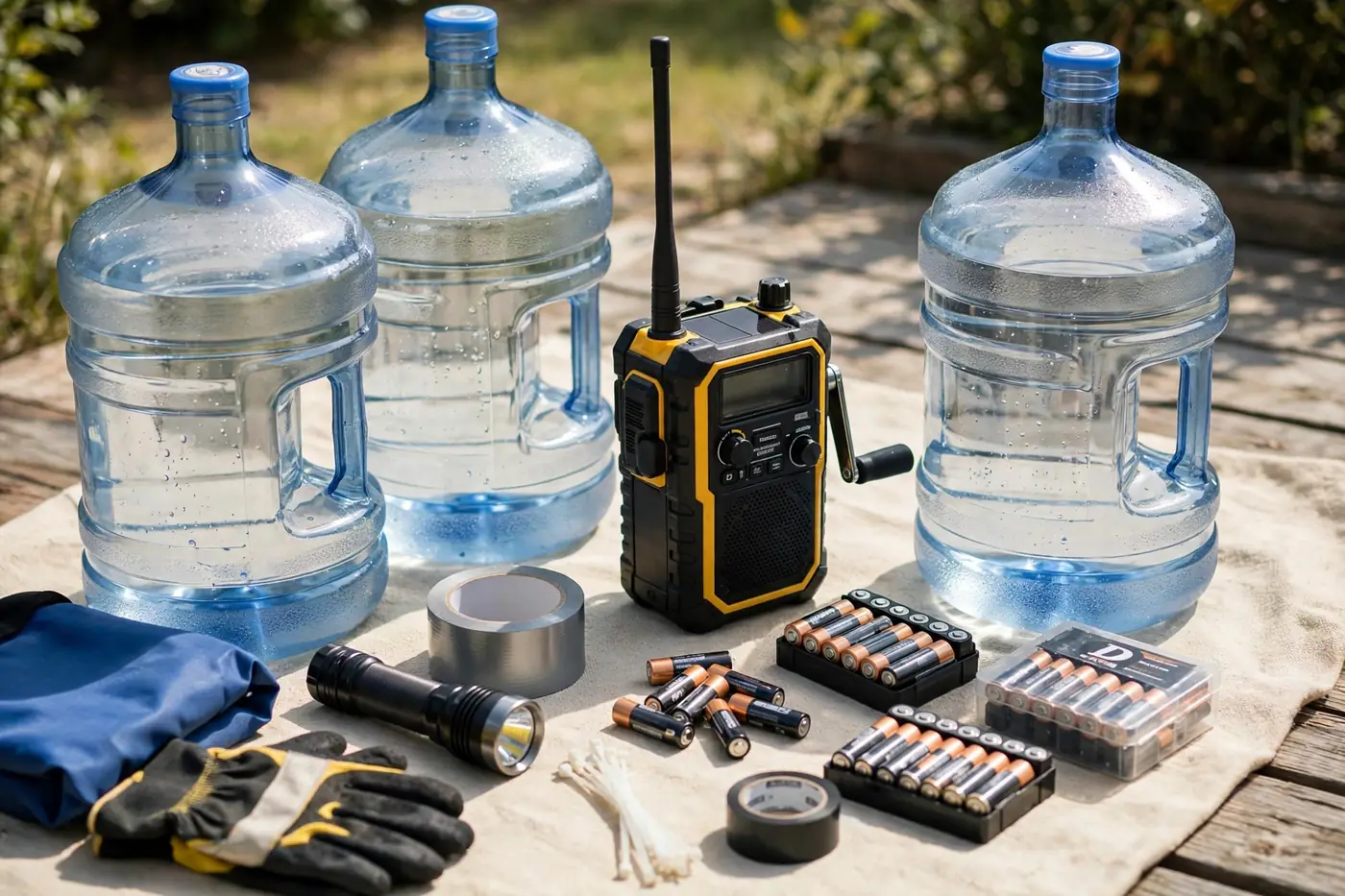
You do not need to live braced for a storm all autumn. A short checklist covers most of the late-season risk. Know where your main water shutoff is and make sure it turns. Keep gutters and downspouts clear so roof water leaves instead of backing up at the edges. Check door seals and garage door bottoms, because wind driven rain finds those gaps first. Keep towels, a flashlight, and a phone charger somewhere dry and reachable. And save a restoration number in your phone before you need it, because searching for help at midnight with water on the floor is the hardest version of that task.
If a system does threaten Florida in these final weeks of the season, follow local emergency guidance, and treat any water entry afterward as time sensitive, even if the amount looks small.
Related help: Florida storm-flood guide, flooded property help and first steps.
If water got into your Florida home, do not wait for the season to end to deal with it. Skyfold Restoration provides water damage restoration across Florida, around the clock. Call (833) 606-6010 any time, day or night, anywhere in Florida.
Hurricane season in the Atlantic, which includes Florida, ends on November 30. Preparation and caution should continue until that date, even though the most active part of the season is earlier in the autumn.
Yes. Heavy rain, saturated ground, and slow moving systems can flood garages and ground floors and push water into walls and floors without major wind. The damage comes from how much water gets in and how long it stays, not from the storm category.
Because the risk sits in the water you cannot see: inside wall cavities, under flooring, and in insulation. Professional drying uses moisture detection to confirm those hidden areas are actually dry, which is what lowers the risk of mold and long term material damage.
Yes, if it is safe to do so. Photos and video of affected rooms and belongings, taken before cleanup, create the clearest record for an insurance claim and help your restoration team understand the full scope of the water entry.
How to get your Florida home ready before a storm arrives.
Read guideHow insurers classify storm losses.
Read guideYear-round checklists for Florida homes.
Read guideLate-season water damage cannot wait for the calendar to change. Call now for emergency response, or find your city.